Vastu for Wealth: Traditional Placement Guide


Guide details


Placement guidance
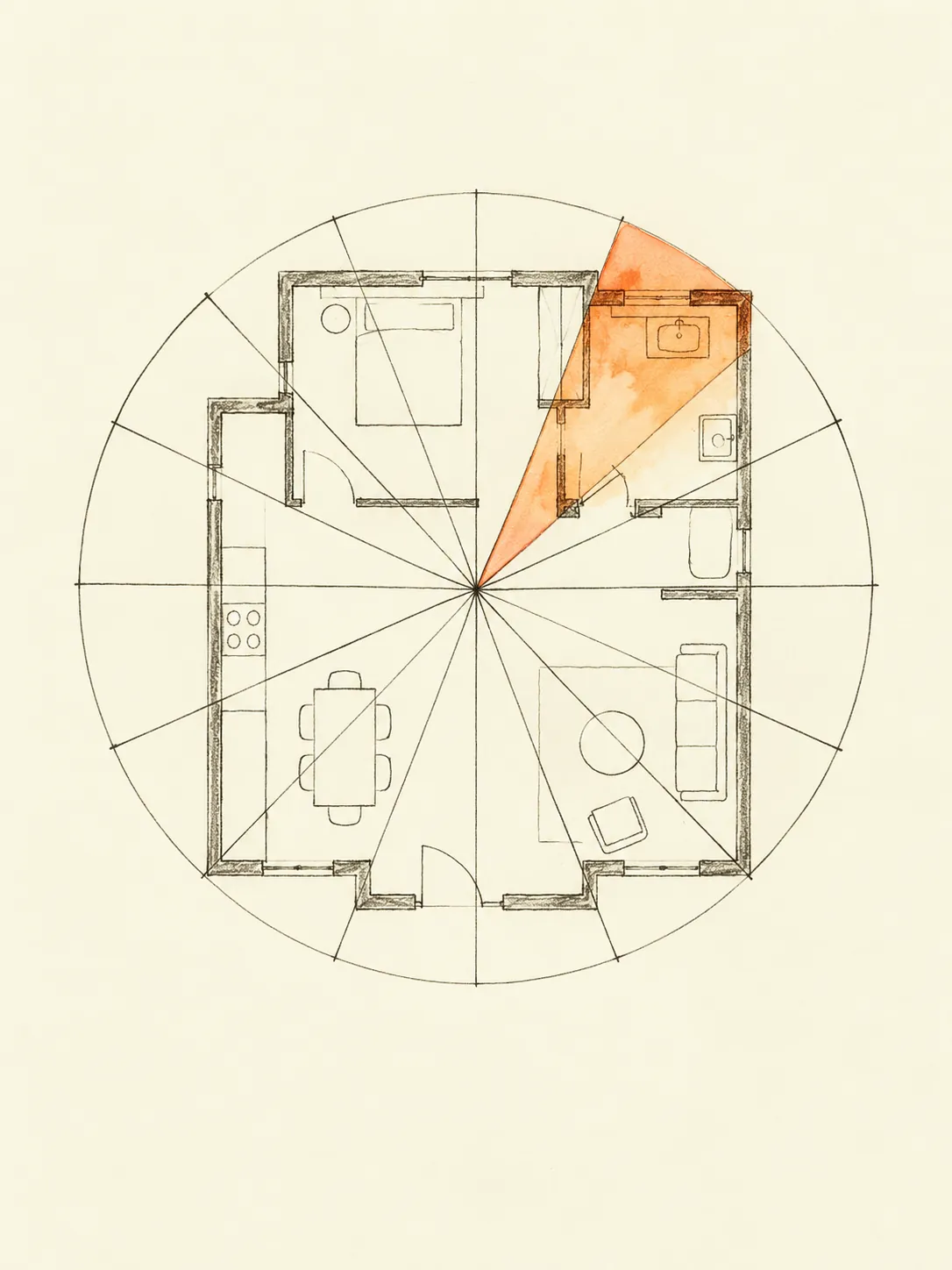
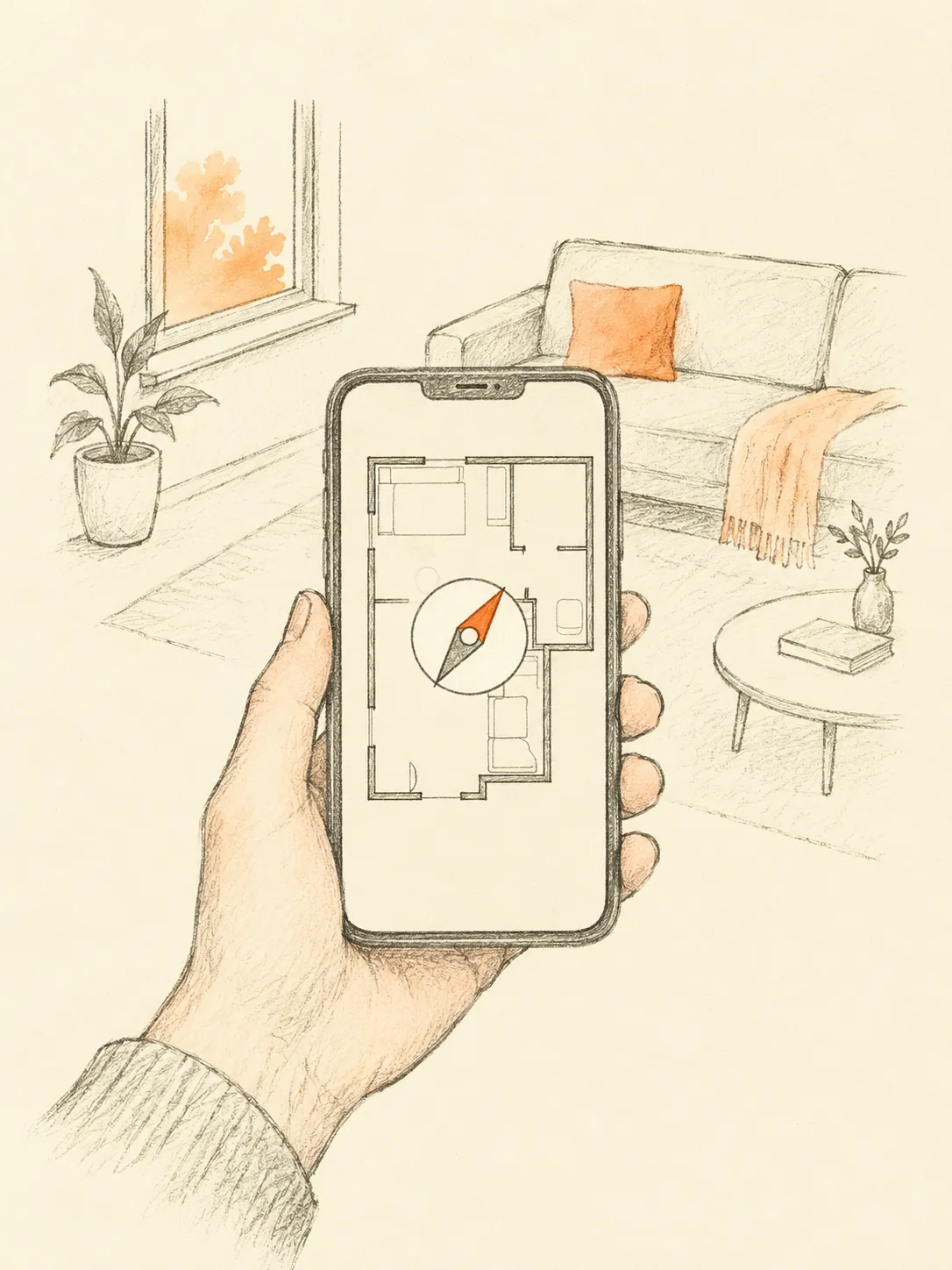
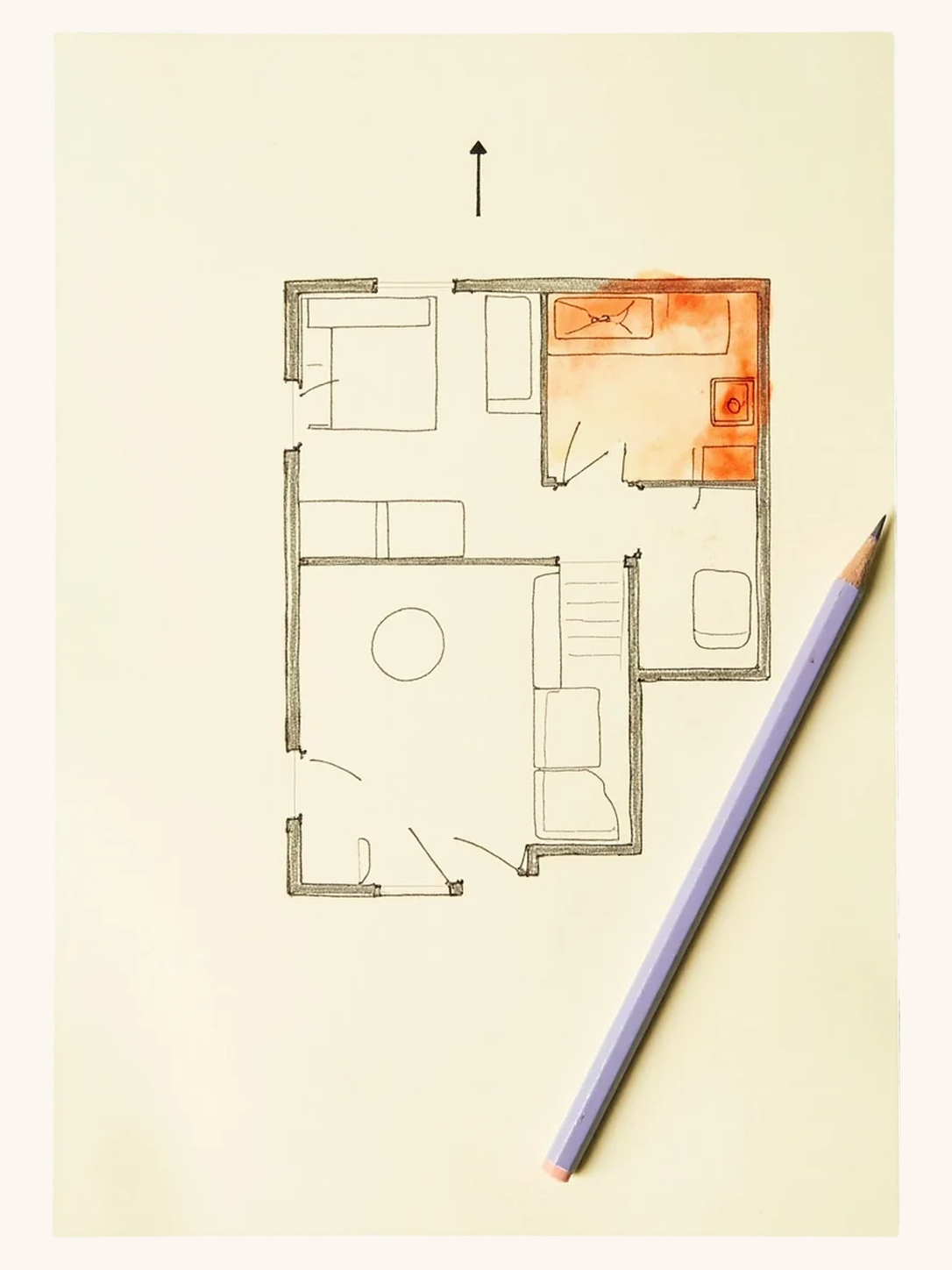
Common practice: Start with the outline of the home or premises you actually occupy. Mark the entrance and relevant room boundaries, then record how North was established. A magnetic reading is not automatically true north, and the top edge of a drawing is not proof of direction. Keep uncertain dimensions or bearings marked as uncertain. Use the same boundary and reference for every comparison; changing a drawing to obtain a preferred zone does not change the building. Measure furniture separately when the practical question concerns access or reorientation.
The verse places treasury and granary in the north-west. This source states that function and direction; it does not prescribe modern appliances, furniture dimensions or predicted personal outcomes.
Source: Bṛhat Saṃhitā 53.118 (Iyer 1884, PD)
The verse places the room for household utensils in the south-west. This source states that function and direction; it does not prescribe modern appliances, furniture dimensions or predicted personal outcomes.
Source: Bṛhat Saṃhitā 53.118 (Iyer 1884, PD)
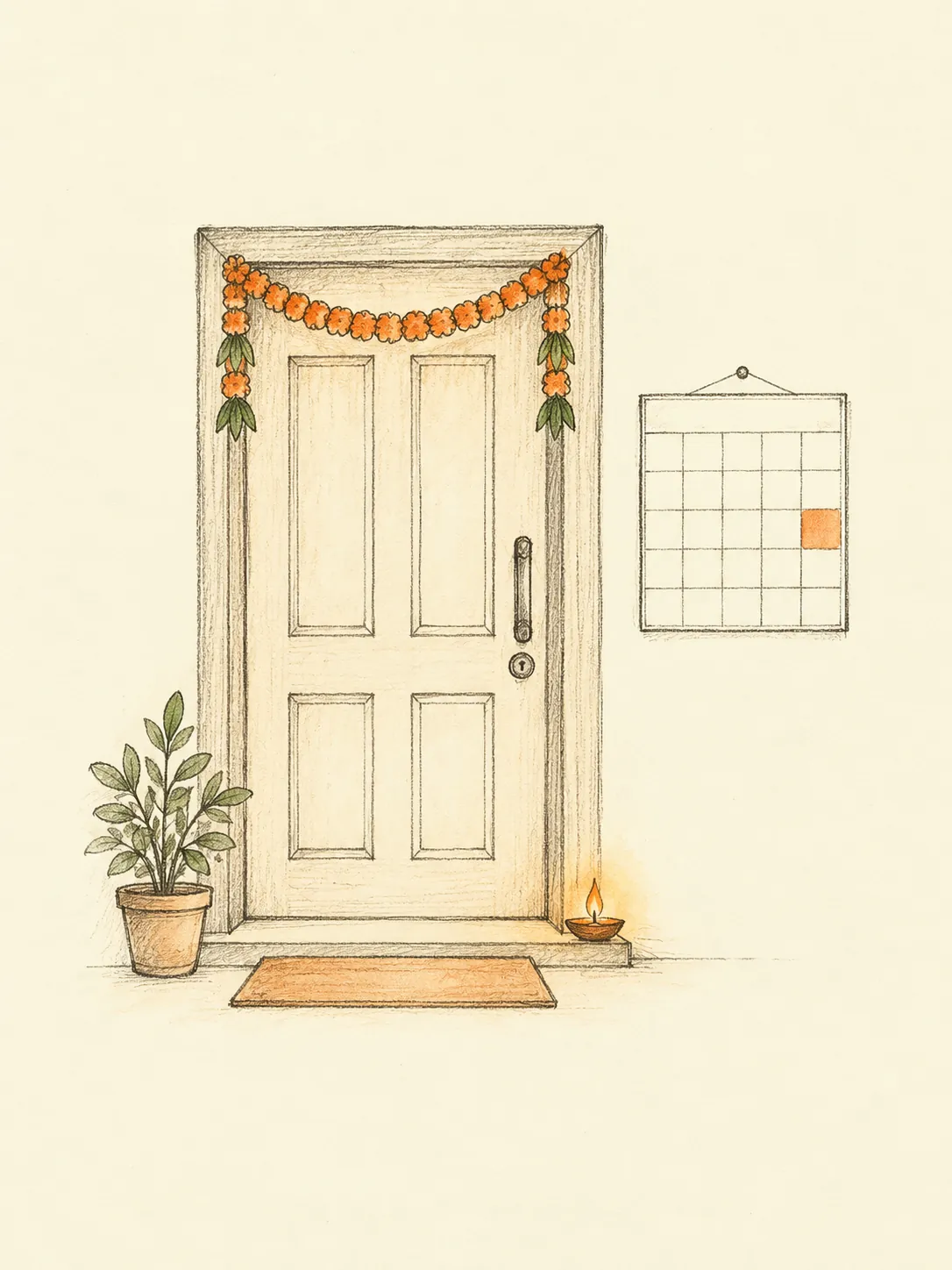
A North entrance opens to Kubera's quarter.
Source: Mayamata, Ch. 6 (Kubera, North)
Ideal placement and its limits
Common practice: The treasury and granary direction in the cited verse is North-West. Preserve that wording rather than rewriting the verse to match a modern North-wealth association. The separate cited North entrance row belongs to another rule. These sources describe traditional placement categories. In Vastu tradition, an orderly home honours prosperity and abundance. If a modern home has a safe, document cabinet or household supplies, state that applying the old categories to those objects is a practical extension. Their security and access need separate consideration from the compass reference.
Acceptable arrangements in an existing home
Common practice: An acceptable arrangement may keep financial documents or valuables in an existing secure cupboard when moving them is impractical. Common practice is to prioritize appropriate security, access and the household's ability to find necessary records. A cabinet in another room does not become the classical treasury merely because it holds a bank statement. Distinguish everyday paperwork, valuable storage and food supplies rather than treating them as one function. In a rented flat, assess available furniture and permissions before making any permanent installation or relocating a large secure cabinet.
Placements to avoid
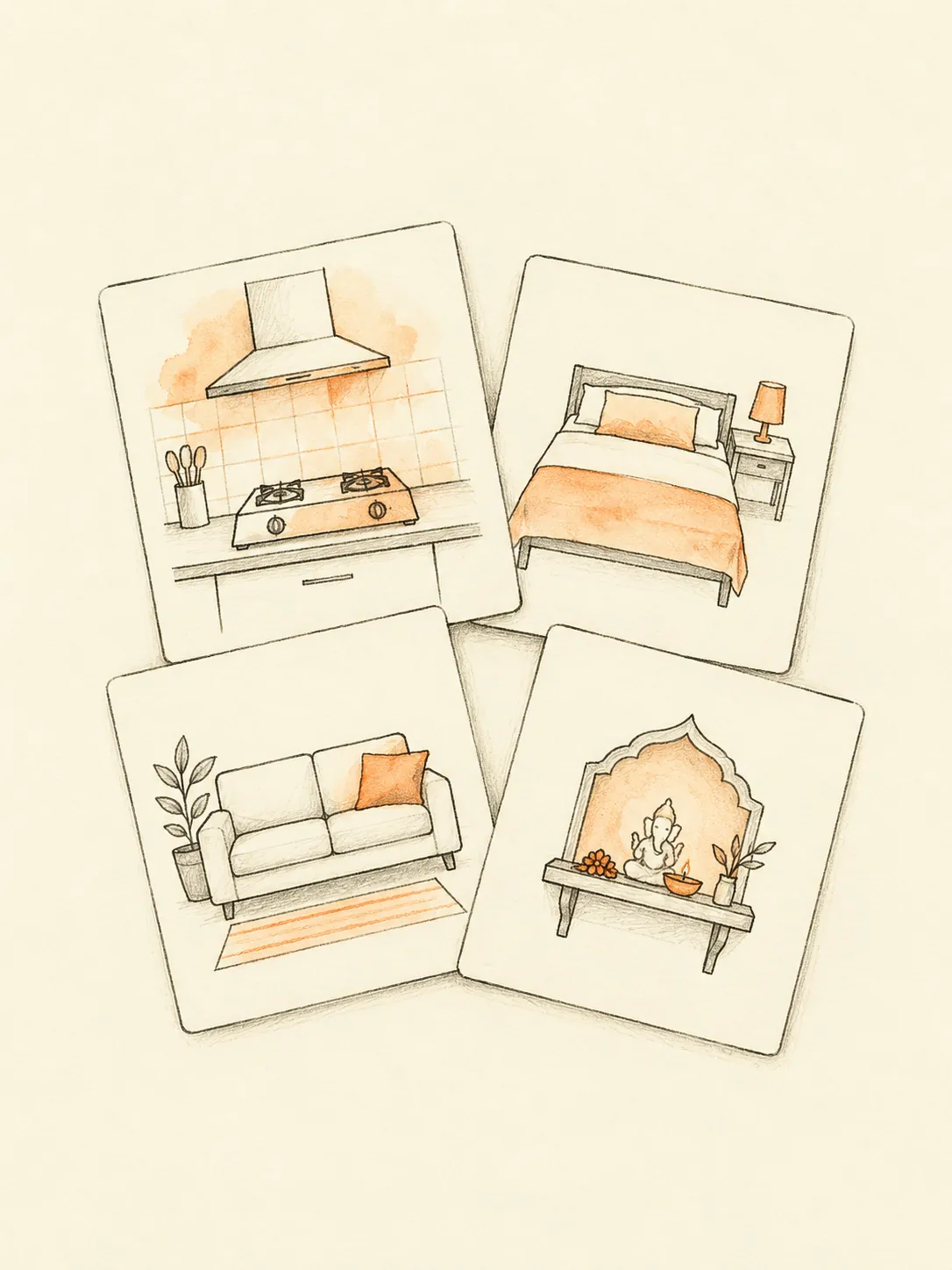
Common practice: In Vastu tradition, directions, colours and devotional objects carry associations with prosperity and abundance. The cited household-utensil store direction is a different function from treasury and granary, so do not combine their compass labels. Practical cautions include placing valuable storage in an exposed passage, blocking an entrance with a cabinet and locating documents beside a wet area. Check burglary resistance, fire protection and storage suitability in the relevant product information. Those decisions need relevant product information and appropriate professional advice where required.
Apply the guidance