Plants at Home
Free guide
About this page
General guide · not an audit
Paid reports: see Pricing

Vastu for Plants at Home

Special
General guide
Free to read
About this guide
The cited tree table names traditional screening species; it does not give a direction for every indoor pot. Begin with available light, safe access and the mature size of the plant. Use common planting practice for balcony containers, and keep the traditional tree list separate from structural, drainage and horticultural decisions.
By the Vaastu World editorial team. Last updated 5 October 2026. Statements marked Source cite the classical verses and tables in our rule library; text marked Common practice is general Vastu practice. No named expert has signed off this guide.
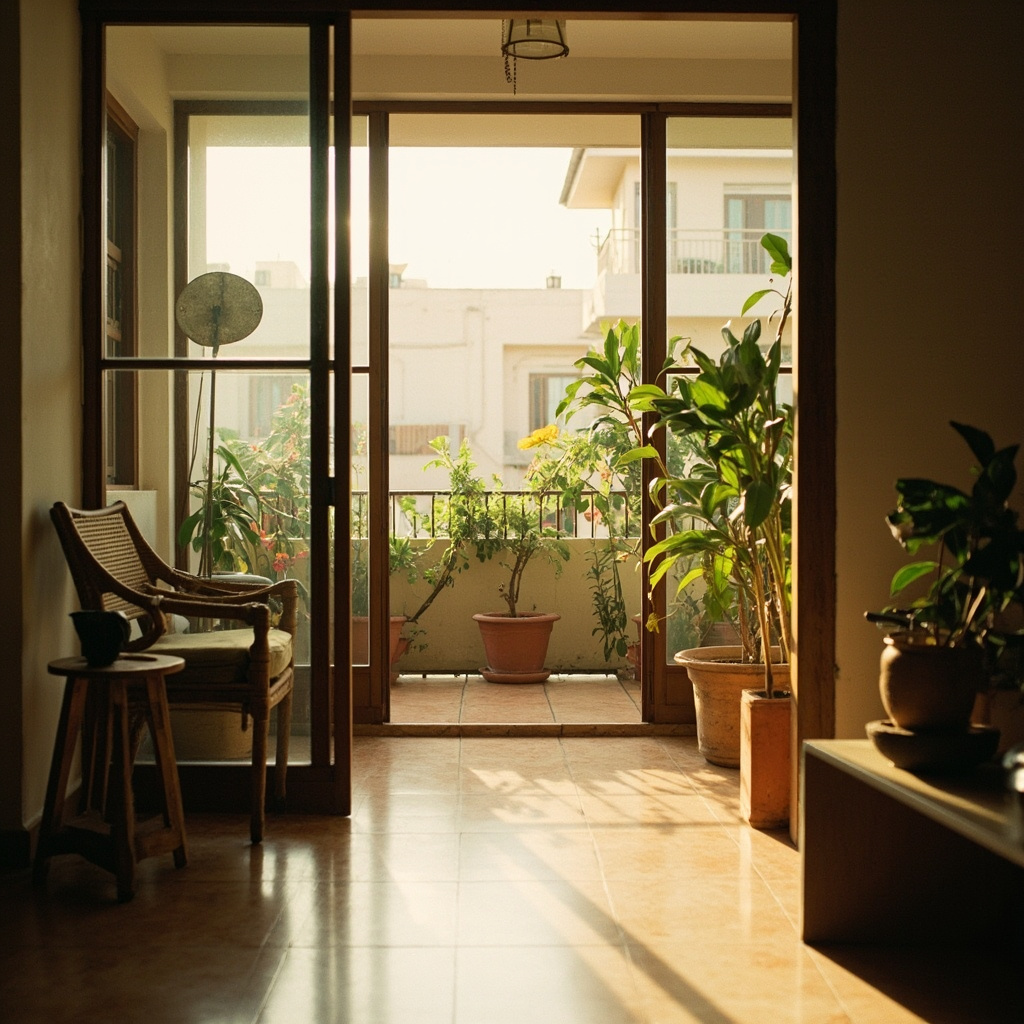
Vastu Tips for Plants at Home — illustrative home interior

Guide details

Placement guidance

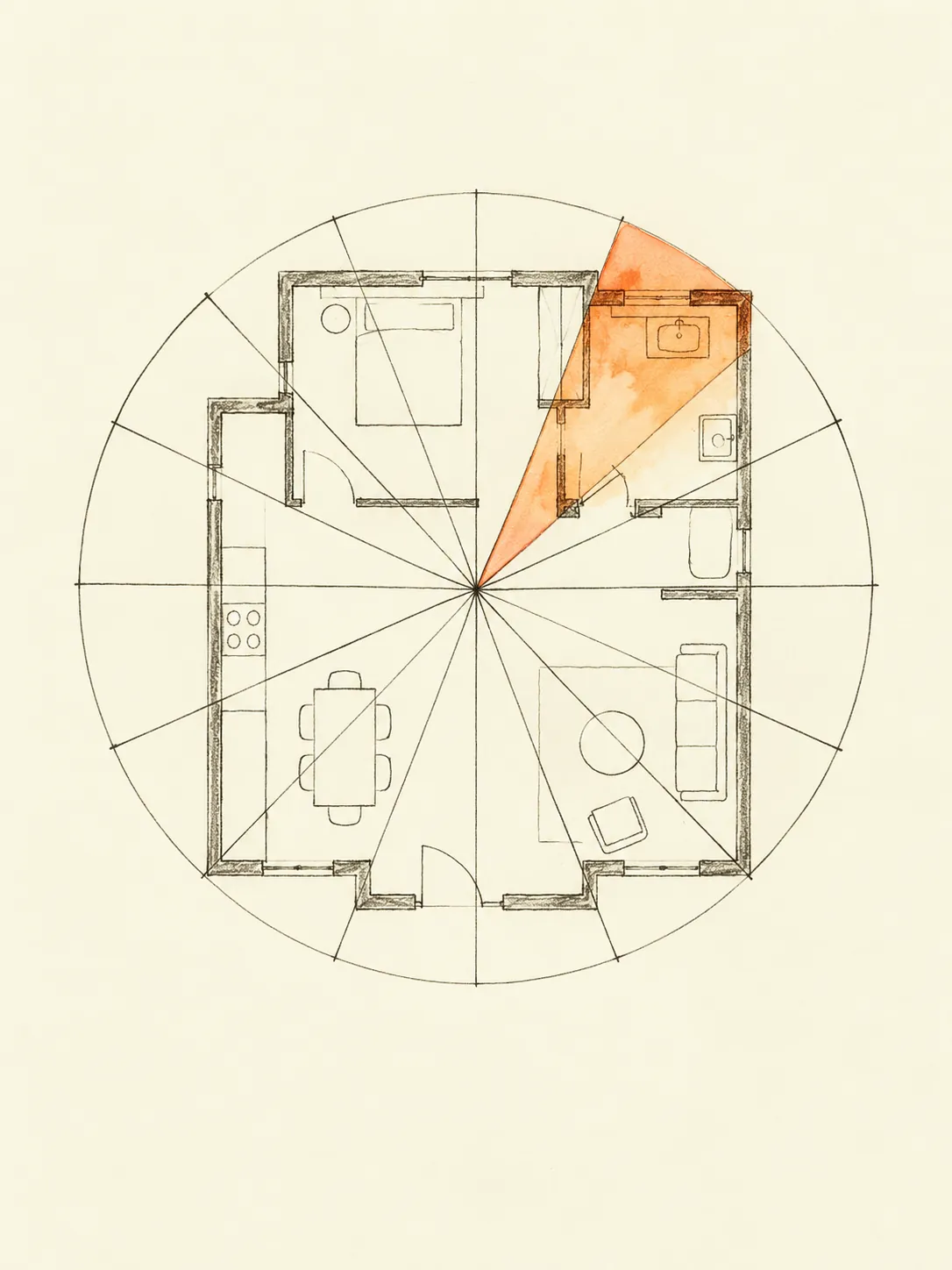
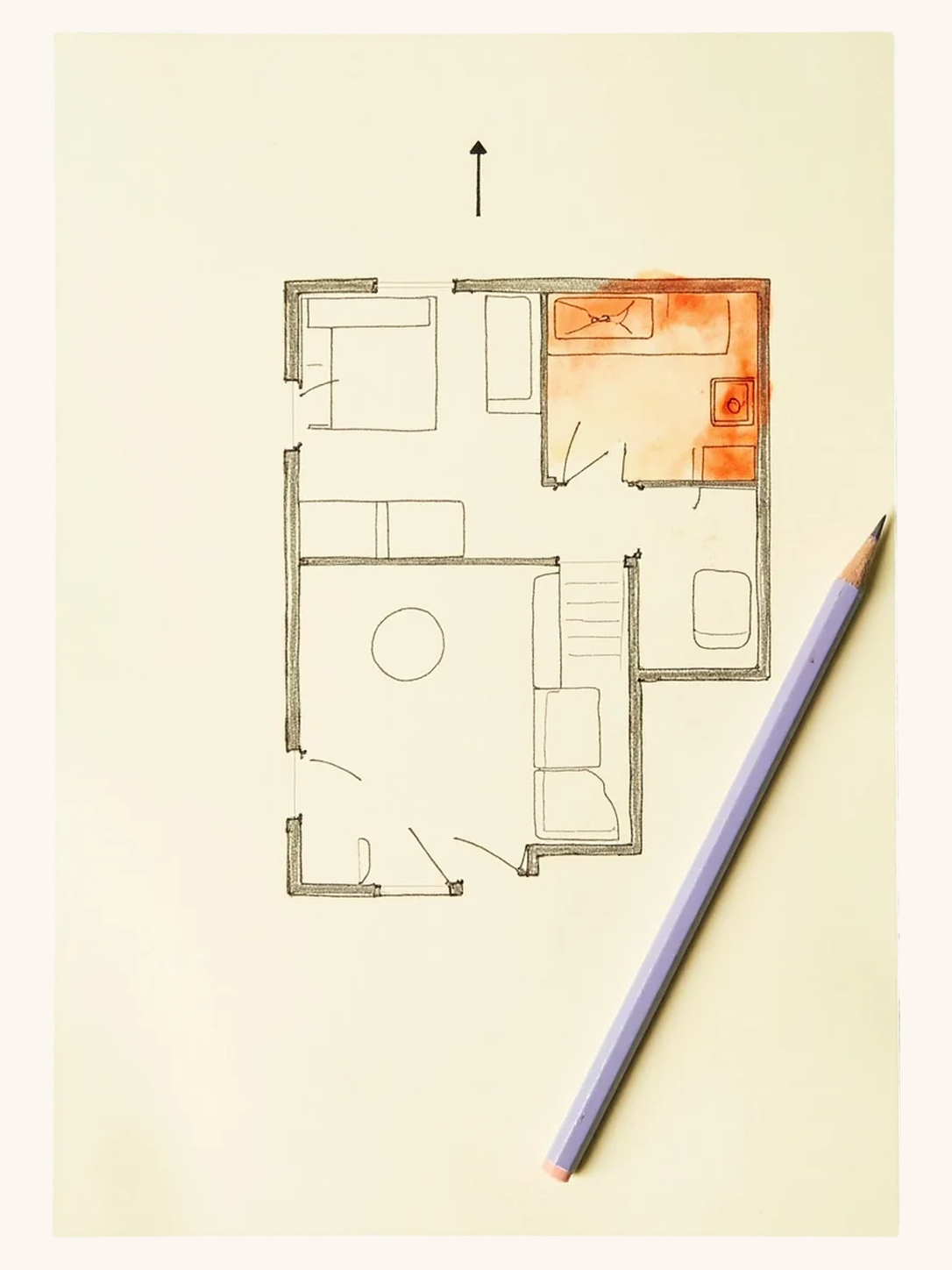
Common practice: Start with the outline of the home or premises you actually occupy. Mark the entrance and relevant room boundaries, then record how North was established. A magnetic reading is not automatically true north, and the top edge of a drawing is not proof of direction. Keep uncertain dimensions or bearings marked as uncertain. Use the same boundary and reference for every comparison; changing a drawing to obtain a preferred zone does not change the building. Measure furniture separately when the practical question concerns access or reorientation.

The cited tree list names Punnāga, Aśoka, Ariṣṭa, Bakula, Panasa, Śamī and Śāla as suitable screening species. It is a traditional list, not an instruction to plant every species beside a modern foundation.

Source: Bṛhat Saṃhitā 53.87 (Iyer 1884, PD)

Heavy storage weighs down the light NE corner.

Source: Modern Vāstu — keep the NE light (after Manasara, Ch. 7)

The nine-zone interpretation used here assigns open, unloaded space to the CENTER zone. This is a chapter-level application of the directional principle.

Source: Mayamata, Ch. 7 (Brahmasthān)

Ideal placement and its limits

Common practice: The screening-tree list below is the classical material available for this guide. It names species rather than prescribing a modern balcony layout. If you are considering a tree, identify the actual species, likely mature size and the space it needs before choosing a location. Common practice is to keep planting decisions tied to soil, available daylight and maintenance access. A name on a traditional list cannot establish that a tree will fit beside a foundation or thrive in the conditions of a particular apartment balcony.

Acceptable arrangements in an existing home

Common practice: For indoor pots and balcony containers, an acceptable arrangement begins with the light each plant actually receives and a stable supporting surface. Common practice is to keep watering access easy and allow the pot to drain without wetting adjacent furniture or a neighbour's space. A small movable pot may be practical where a large planter is too heavy or blocks passage. The home zone can be recorded for a traditional reading, but it does not substitute for species-specific horticultural advice or an assessment of the balcony's permitted loads.

Placements to avoid

Common practice: Avoid placing pots where they narrow the entrance, obstruct ventilation or can fall from an edge. The cited heavy-storage finding is relevant to the interpretation of a loaded North-East corner, but a lightweight plant should not automatically be described as heavy storage. The cited centre row similarly concerns an open, unloaded area. Keep that distinction clear. Do not use either source to justify cutting a tree or altering shared landscaping without checking authority and the actual site. Roots, structure and access require practical assessment beyond the directional label.

Apply the guidance

Common practice: start with movable arrangements, record fixed constraints and assess each proposed change on its practical merits.
Read the guide
Common mistakes
Common practice: A common mistake is buying a plant because a photograph labels it lucky without checking its identity or care requirements.
Common practice: Choose a manageable number of pots so the plants can be cared for well.
Common practice: Record the plant, pot size and watering route, and note whether the location is indoors or outdoors.
Common practice: A courtyard tree and a windowsill container have different constraints. Do not turn the cited screening species into a rule for every houseplant or assign verse numbers to money-plant, cactus or indoor-colour advice that is not in the source map.
Remedies without demolition first
Common practice: Begin with movable pots: regroup them where watering is manageable, clear the door route and replace an unstable stand with suitable support.
Common practice: Reorient a container when it blocks a window or furniture access. Collect runoff appropriately and check that storage beneath a plant stays dry.
Common practice: For large trees, permanent planters or heavy balcony containers, obtain the relevant horticultural or building assessment before moving, pruning or installing them. Preserve shared-space permissions as part of the decision.
Use the guide with your own plan
Common practice: Use the Floor Plan Studio if you want to place a balcony or planted area within the home assessment. Mark its real boundary and note substantial fixed planters separately from loose pots.
Common practice: Compare that context with the cited light-corner and centre interpretations. Make the immediate action a practical one, such as clearing a passage or improving drainage access.
Common practice: Observe the plant's actual condition and seek species-specific care advice where needed. Keep directional tradition, plant care and building safety as distinct questions that can be answered with the appropriate information.

More tools
to try

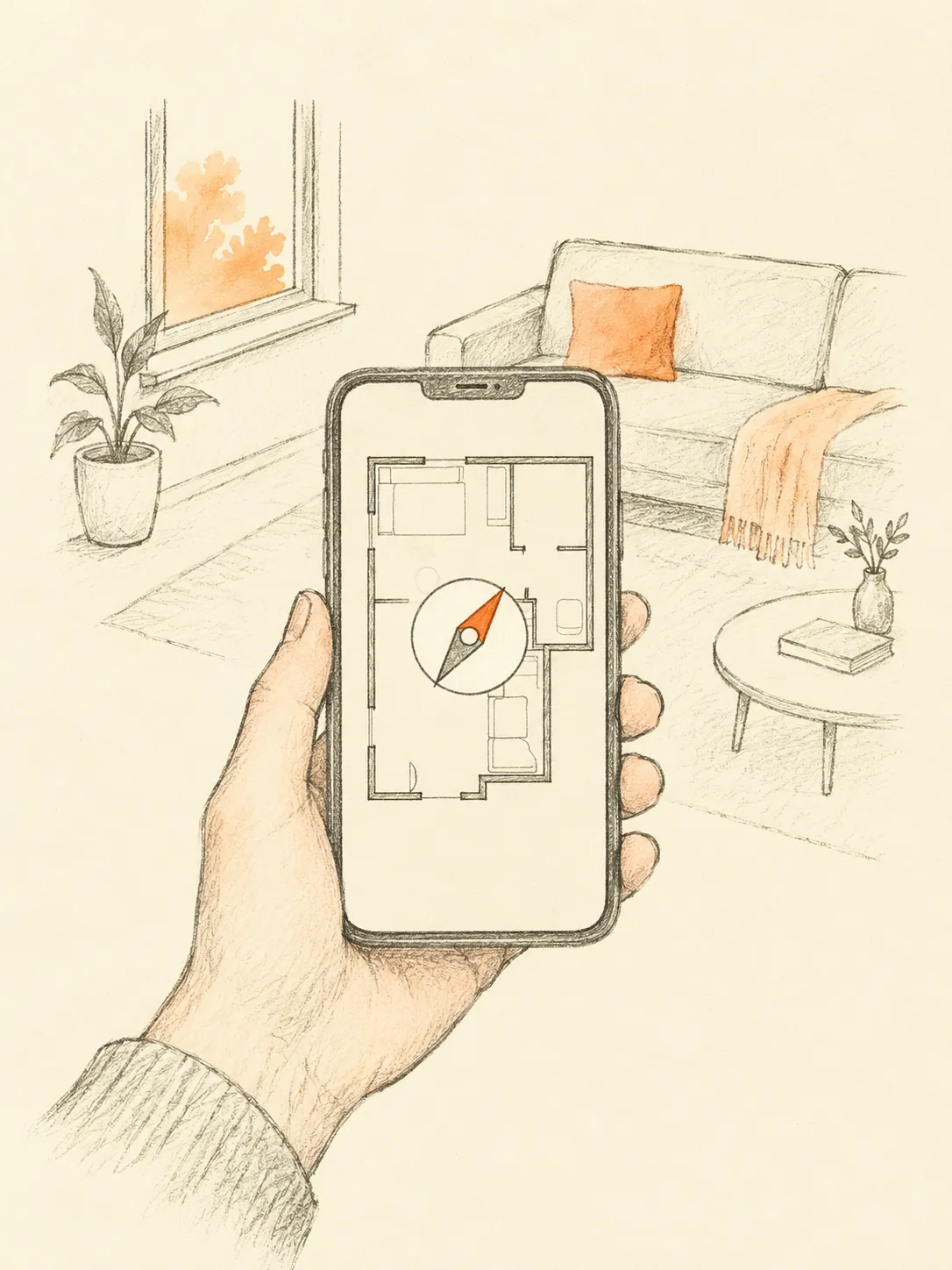
Find north.
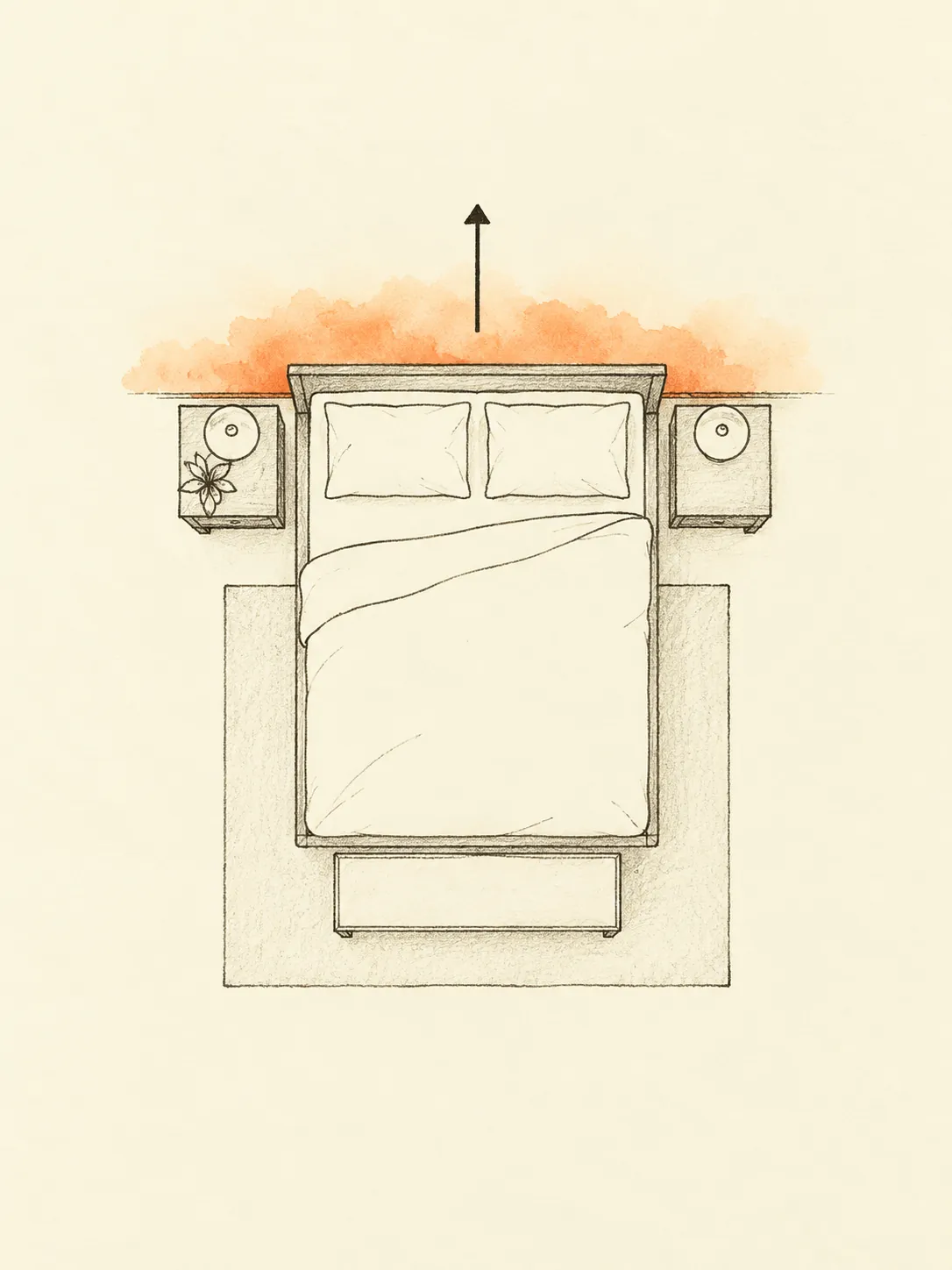
Review the guidance.

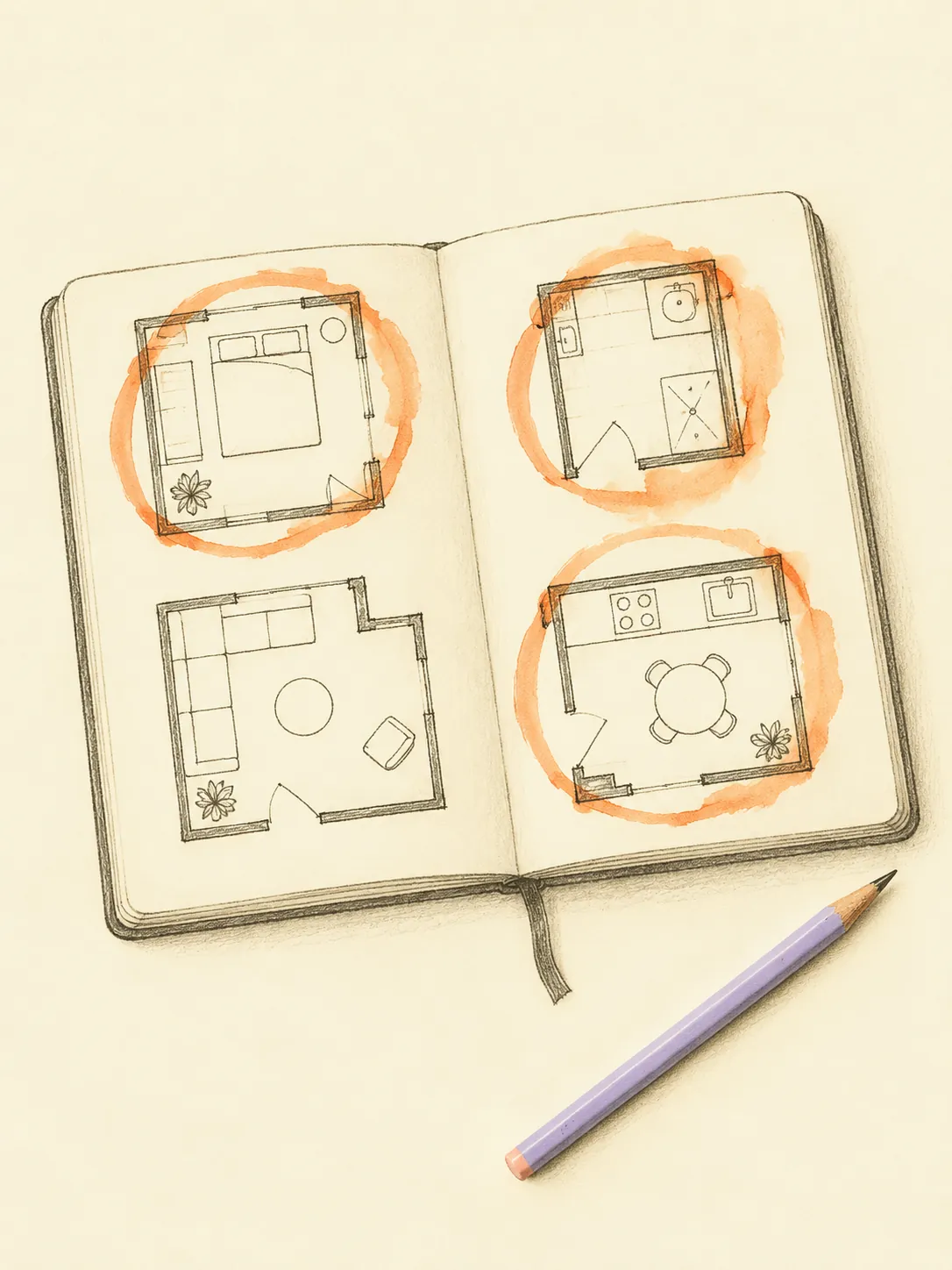
Every audit follows the same three steps, whether it runs from a phone compass or a traced floor plan. The method stays fixed so the result stays comparable from one home to the next.
Find north
By phone compass, AR, or a manual bearing.
Place the room
Drop each room onto the nine-zone plan.
Read the remedy
A placement reference and a practical next step.

Frequently asked
questions

Everything you might want to know before your first audit.
Didn’t find what you were
looking for?
Does the tree list apply to every indoor plant?

It names screening species. Common practice: assess indoor plants by their identity, light, care and pot size rather than assigning the tree citation to unrelated species.

Will a money plant determine financial results?

In Vastu tradition, green plants in a suitable place invite growth and prosperity. Common practice: choose a plant that suits the location and can be maintained.

Can a heavy planter go on any balcony?

Common practice: check permitted loads and drainage with the responsible building professional. Check structural suitability with the responsible building professional before placing a heavy planter.

What is a reversible planting adjustment?

Common practice: move a small pot or stand to clear access and improve watering arrangements. Large trees and fixed planters need separate assessment before alteration.

Read the room.
Before you change it.
Illustrative open wooden front door with a marigold garland; not a measured assessment