Vastu for Master Bedroom



Guide details


Placement guidance
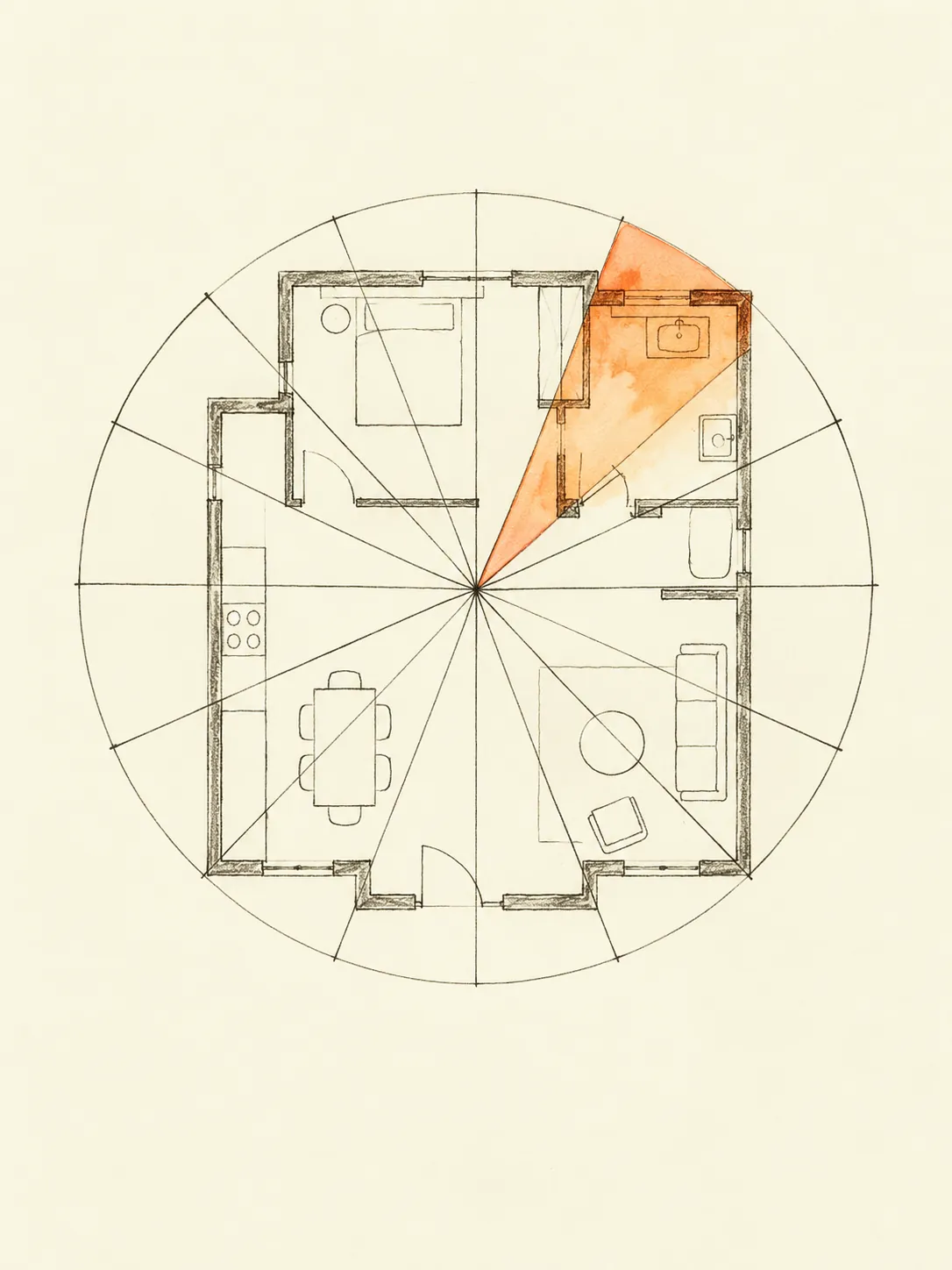
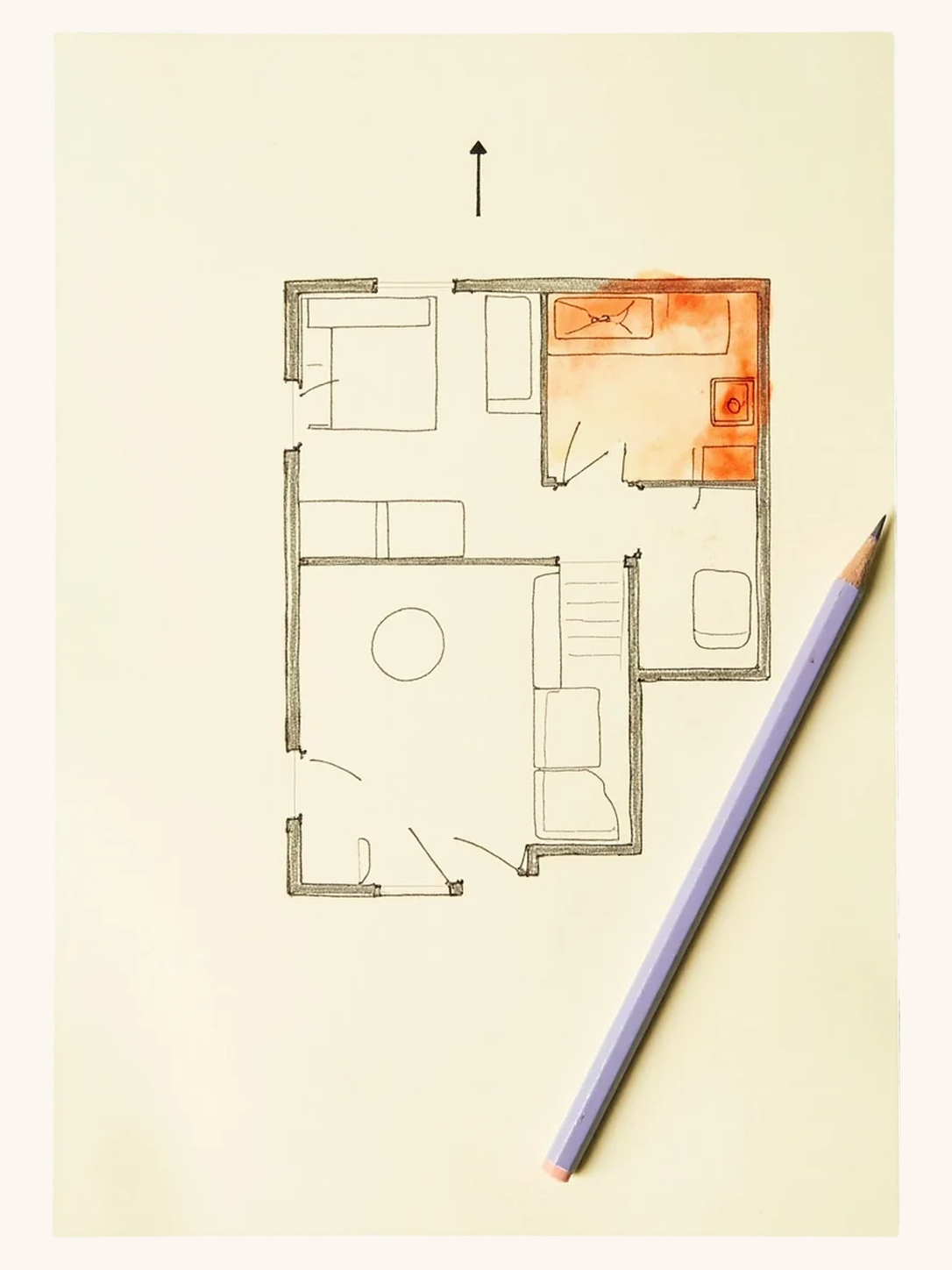
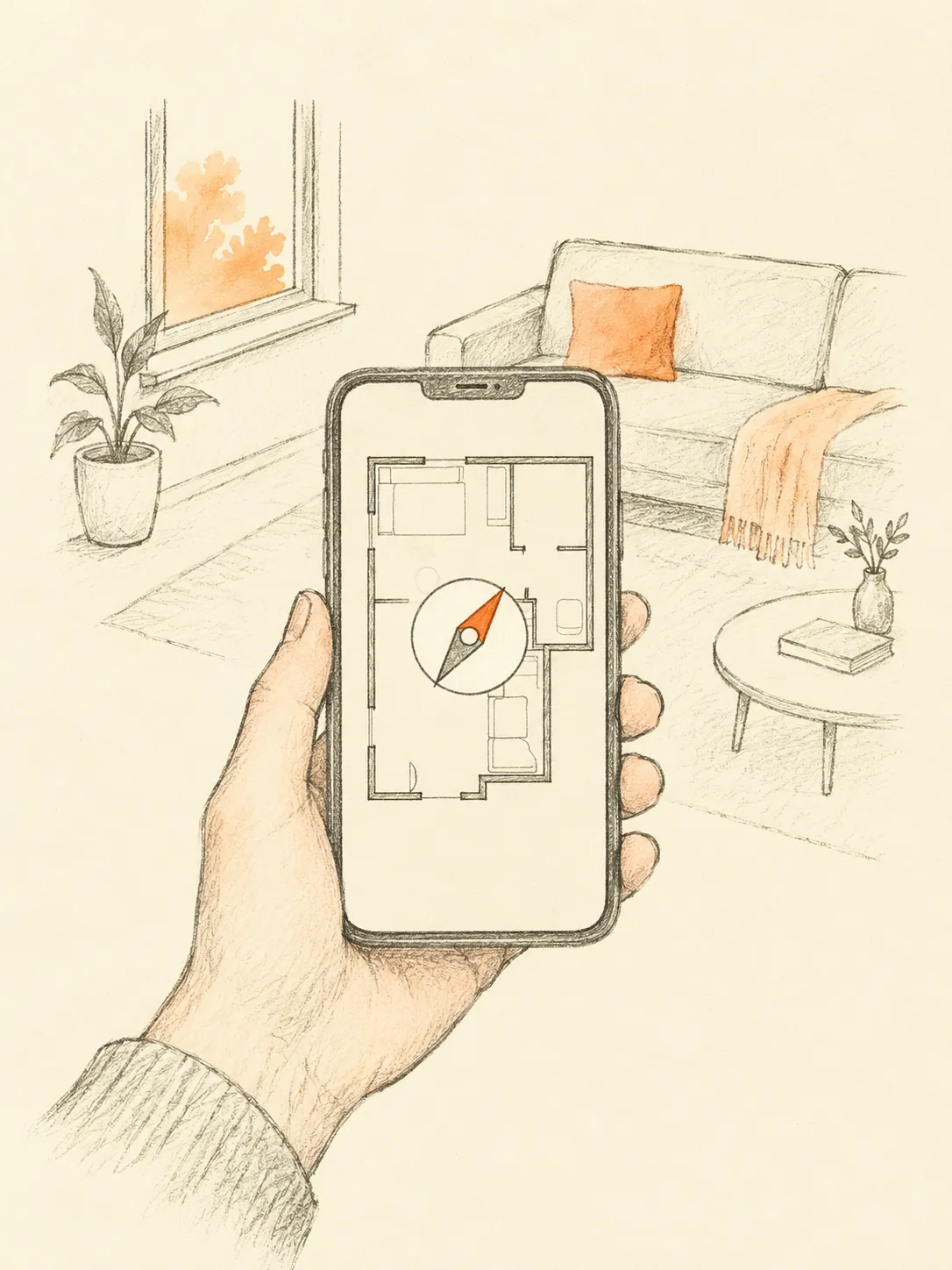
Common practice: Start with the outline of the home or premises you actually occupy. Mark the entrance and relevant room boundaries, then record how North was established. A magnetic reading is not automatically true north, and the top edge of a drawing is not proof of direction. Keep uncertain dimensions or bearings marked as uncertain. Use the same boundary and reference for every comparison; changing a drawing to obtain a preferred zone does not change the building. Measure furniture separately when the practical question concerns access or reorientation.
The master suite in the heavy SW (Nairṛti) is the classical ideal — the heaviest corner for the heads of the family.
Source: Bṛhat Saṁhitā, Ch. 53 (heavy SW)
A heavy master suite loads the light NE corner the texts want kept open.
Source: Modern Vāstu — keep the NE light (after Manasara, Ch. 7)
A bedroom in the West (Varuna) is a comfortable, generally favoured placement; the strongest bedroom zone remains the South-West.
Source: Manasara, Ch. 8 (Varuna, West)
Ideal placement and its limits
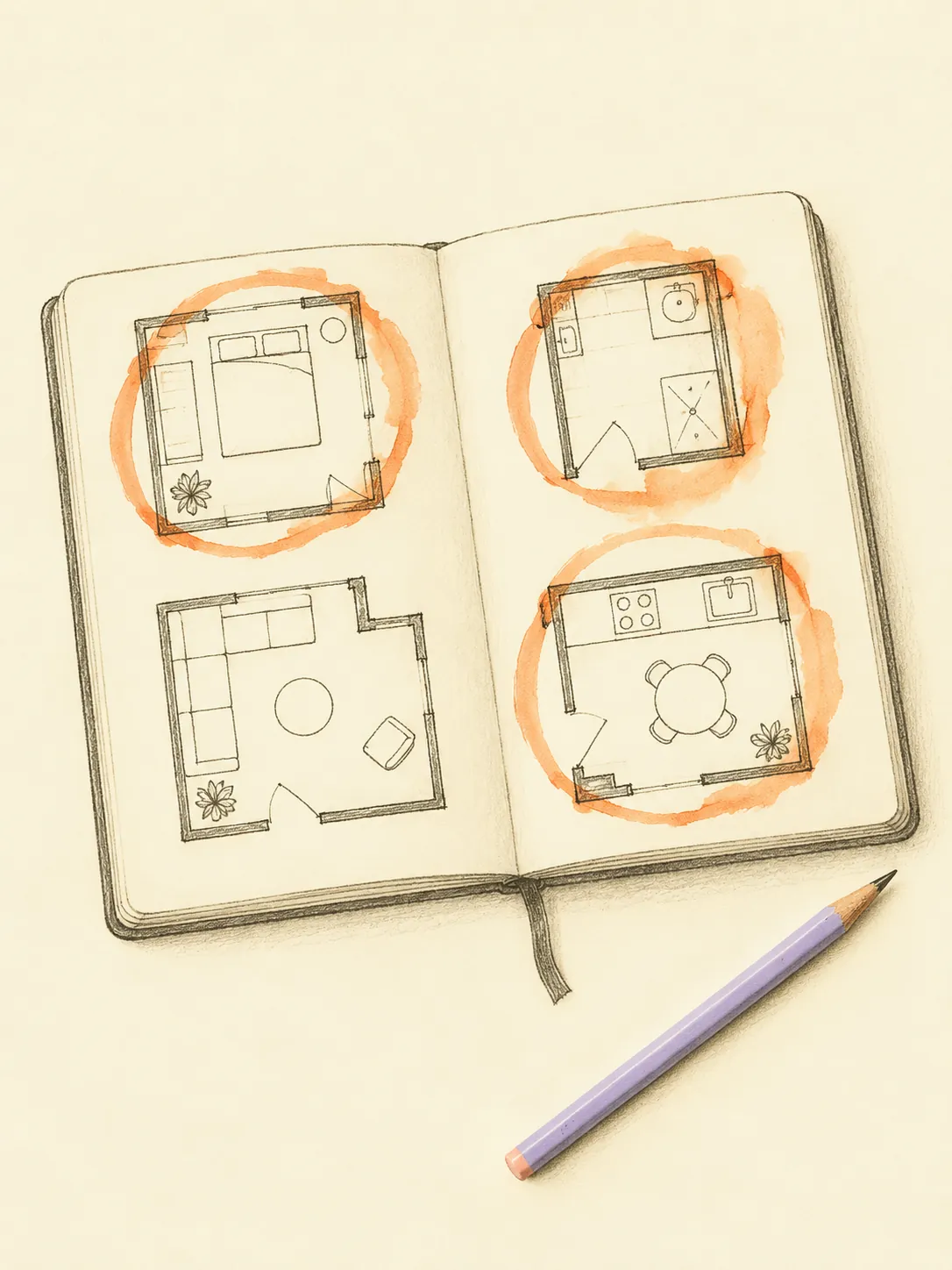
Common practice: The South-West pairing below belongs to the guide's chapter-level room interpretation. Its traditional association is with the heavier, settled part of the home. It does not mean placing every large cupboard in that corner without checking the floor or wall. Identify which room serves as the main bedroom and how much of it sits in the relevant zone. Then decide where a bed can stand with safe access, an unobstructed window and enough space for the people who use the room each day.
Acceptable arrangements in an existing home
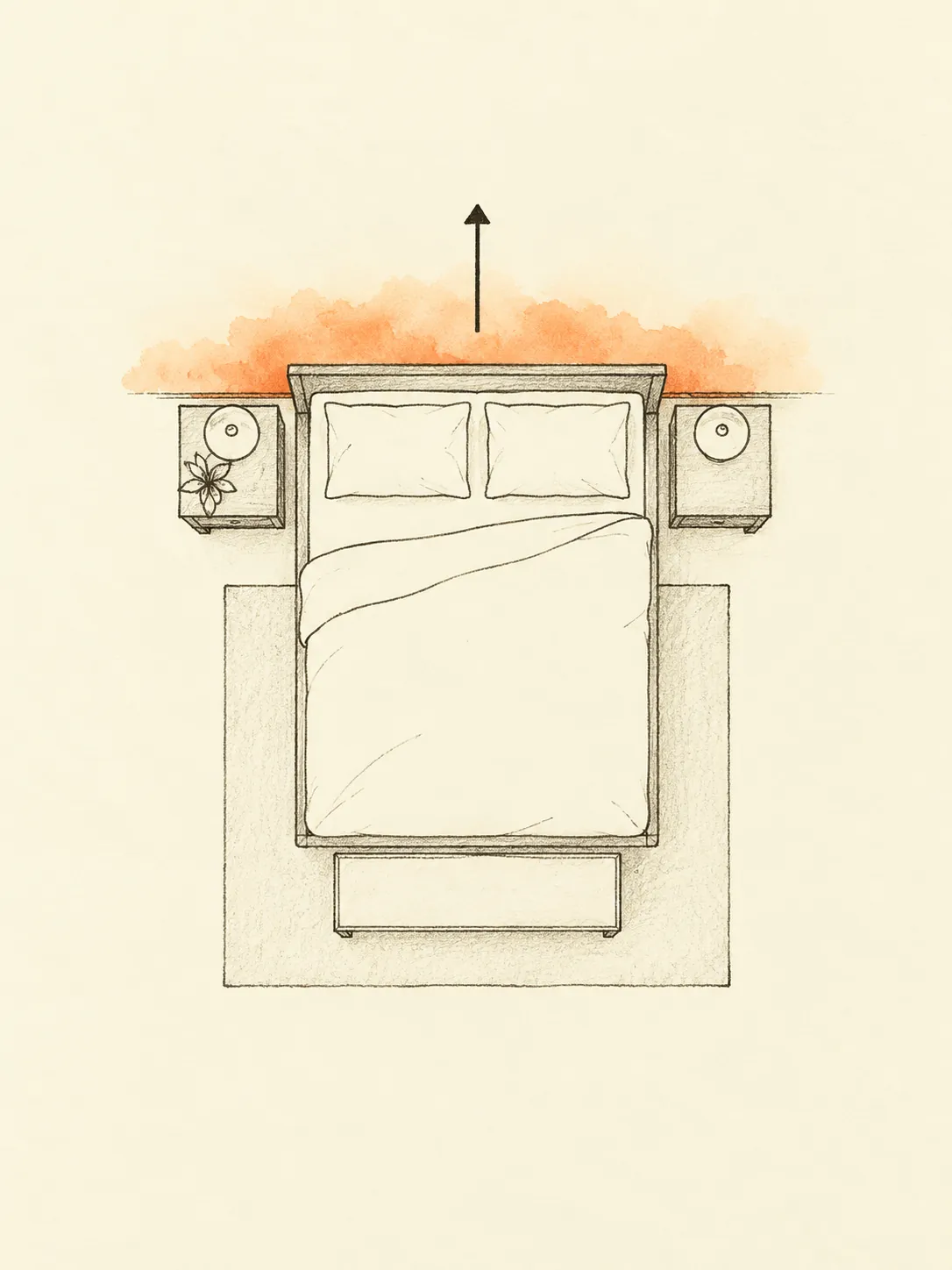
Common practice: An existing West or South bedroom may offer a workable alternative when the South-West room is too small or used for another purpose. Keep the room choice and bed orientation as separate entries in your notes. Common practice is to compare noise, privacy, daylight and the route to the bathroom before swapping bedrooms. A quiet room with usable circulation may be preferable for the household to a nominally preferred zone with no space beside the bed. Consider the needs of an older occupant before making any move.
Placements to avoid
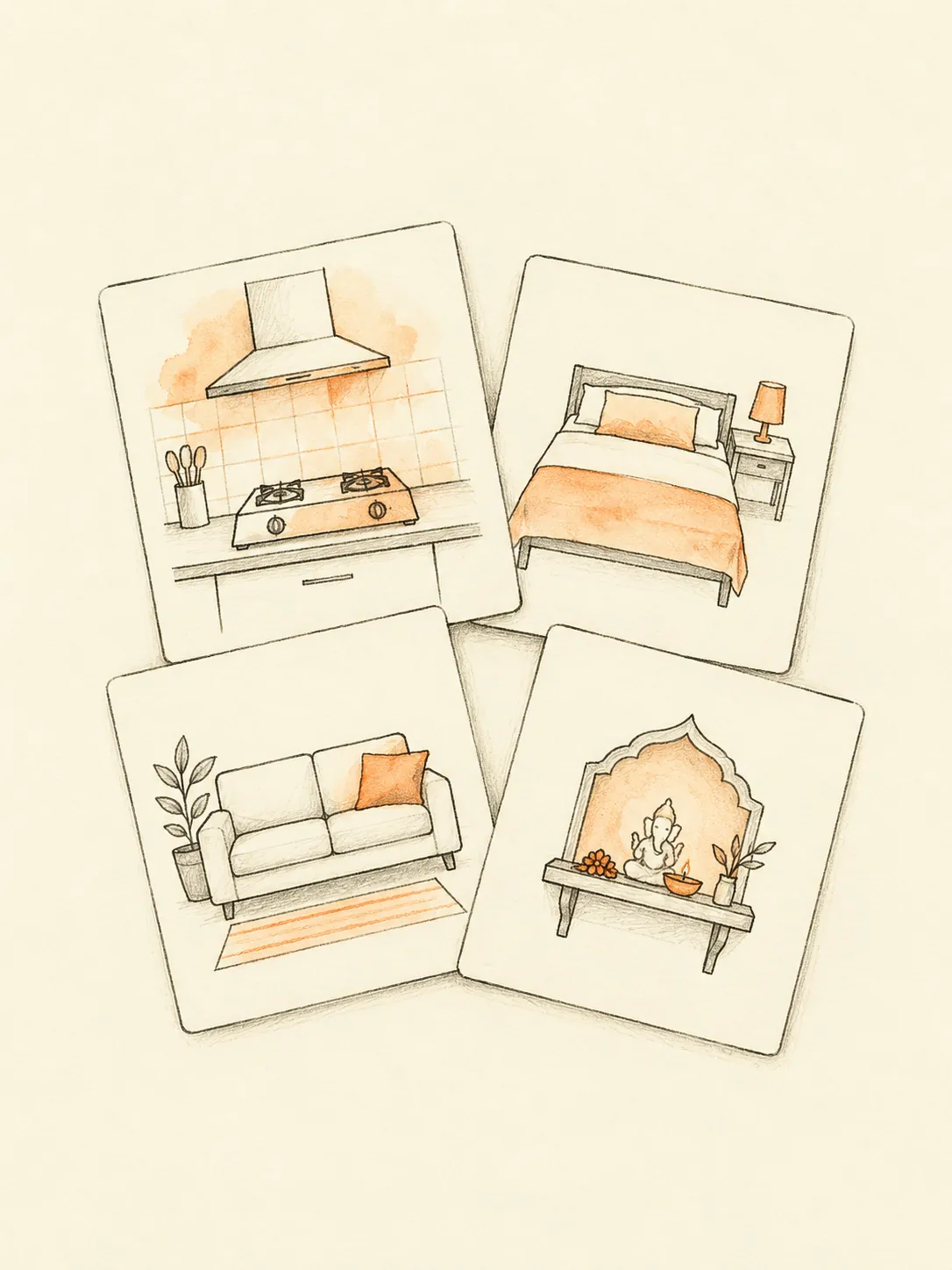
Common practice: The North-East finding below concerns a heavy main suite occupying a zone the table treats as light. It is a modern application and should retain that qualification. Vastu tradition holds that a settled main bedroom supports rest and harmony. Practical layouts to avoid include a wardrobe that blocks the entrance, a bed trapping someone against a wall and loose storage above the pillows. Keep escape routes and ventilation clear. Do not remove a structural wall or close a window in order to make the bedroom feel heavier.
Apply the guidance