Vastu for Home Colours


Guide details


Placement guidance
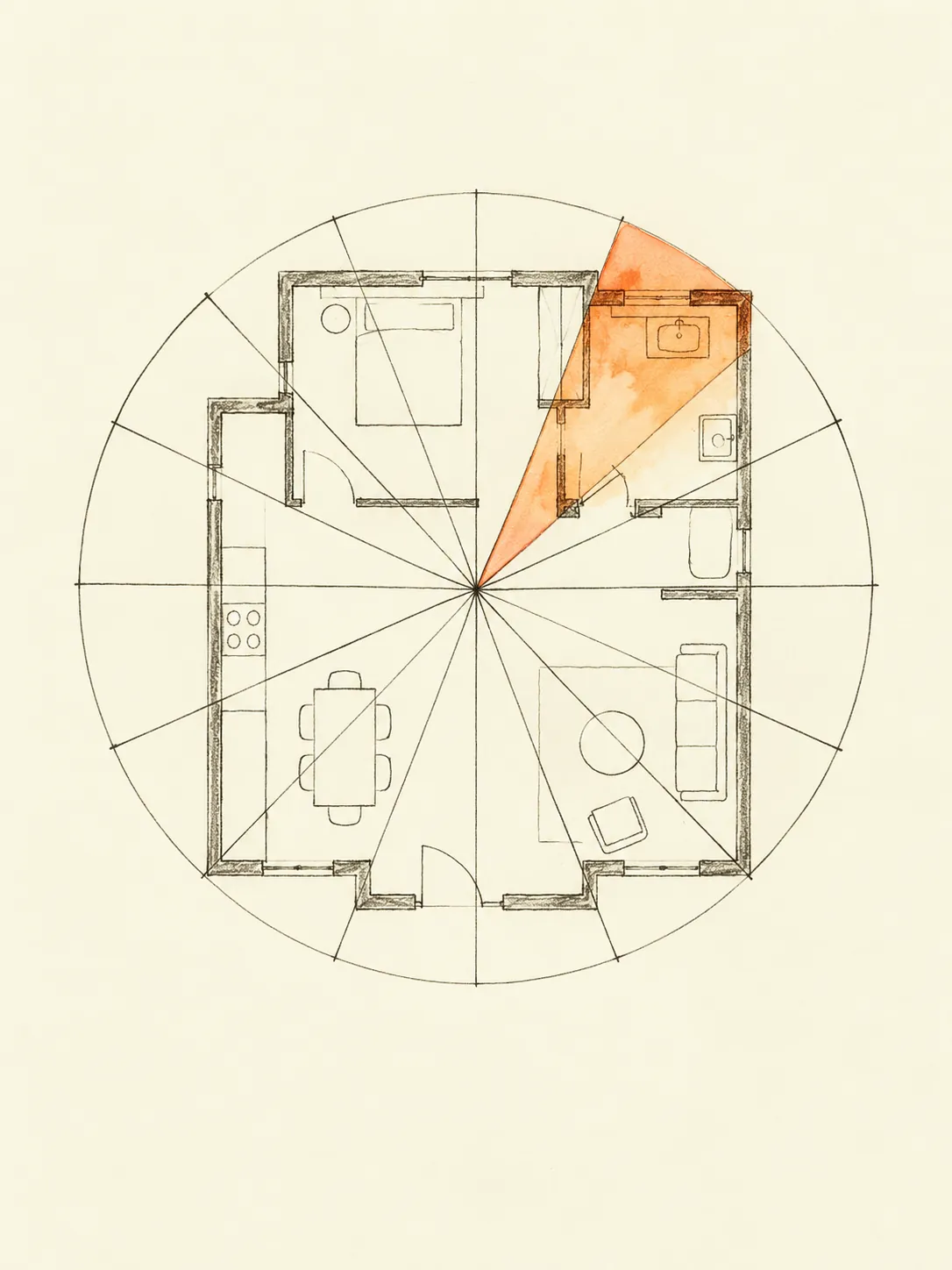
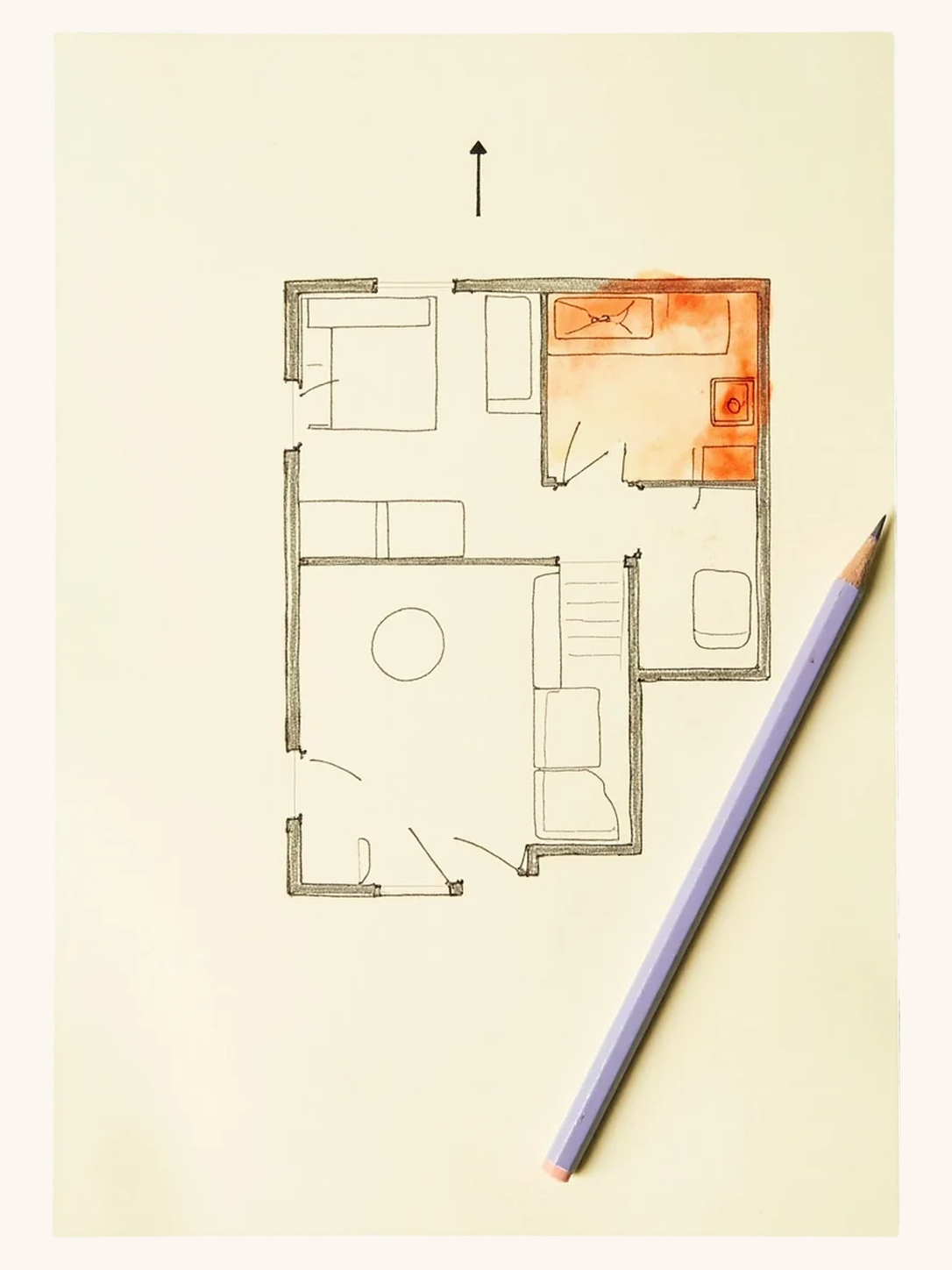
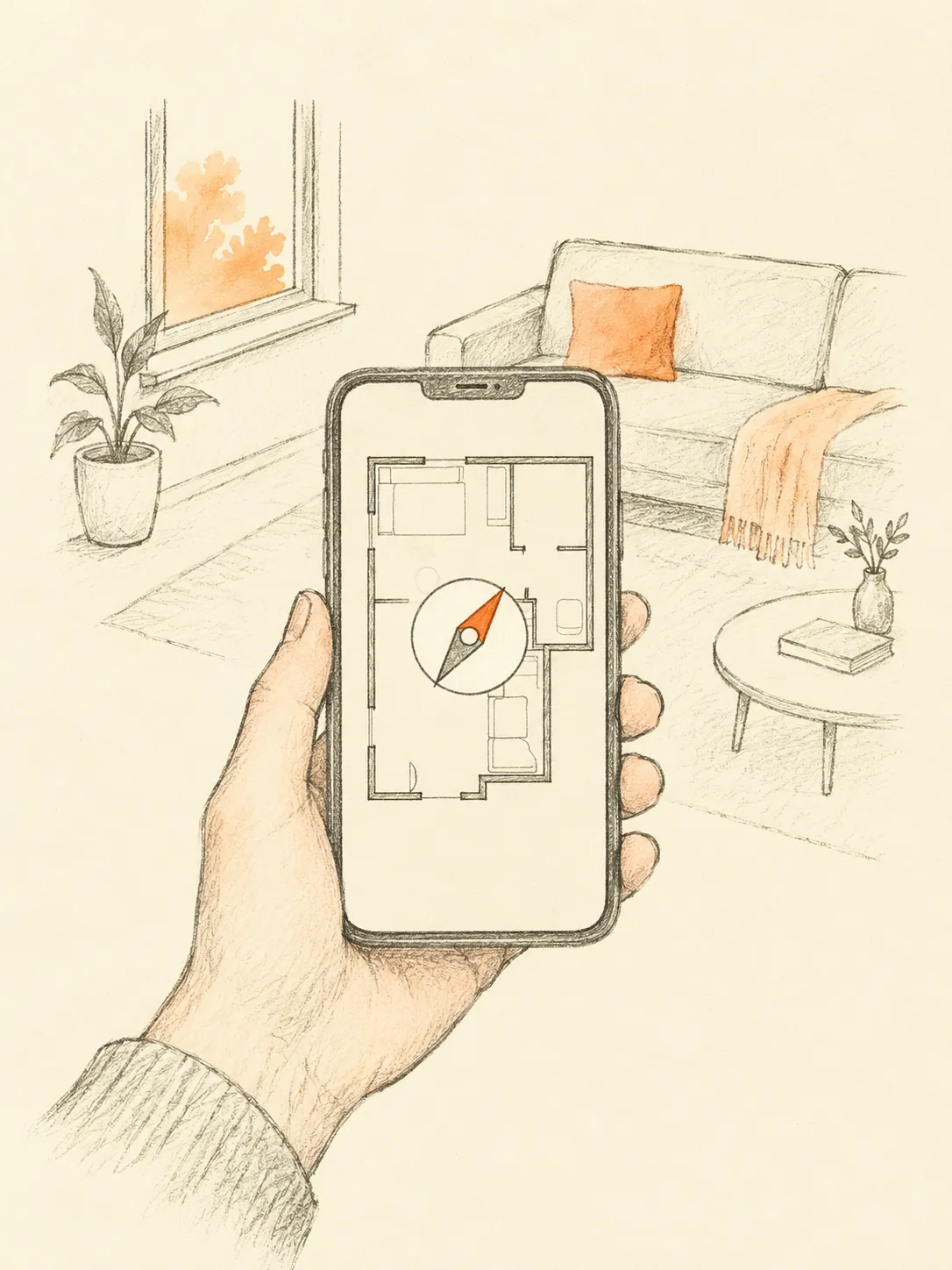
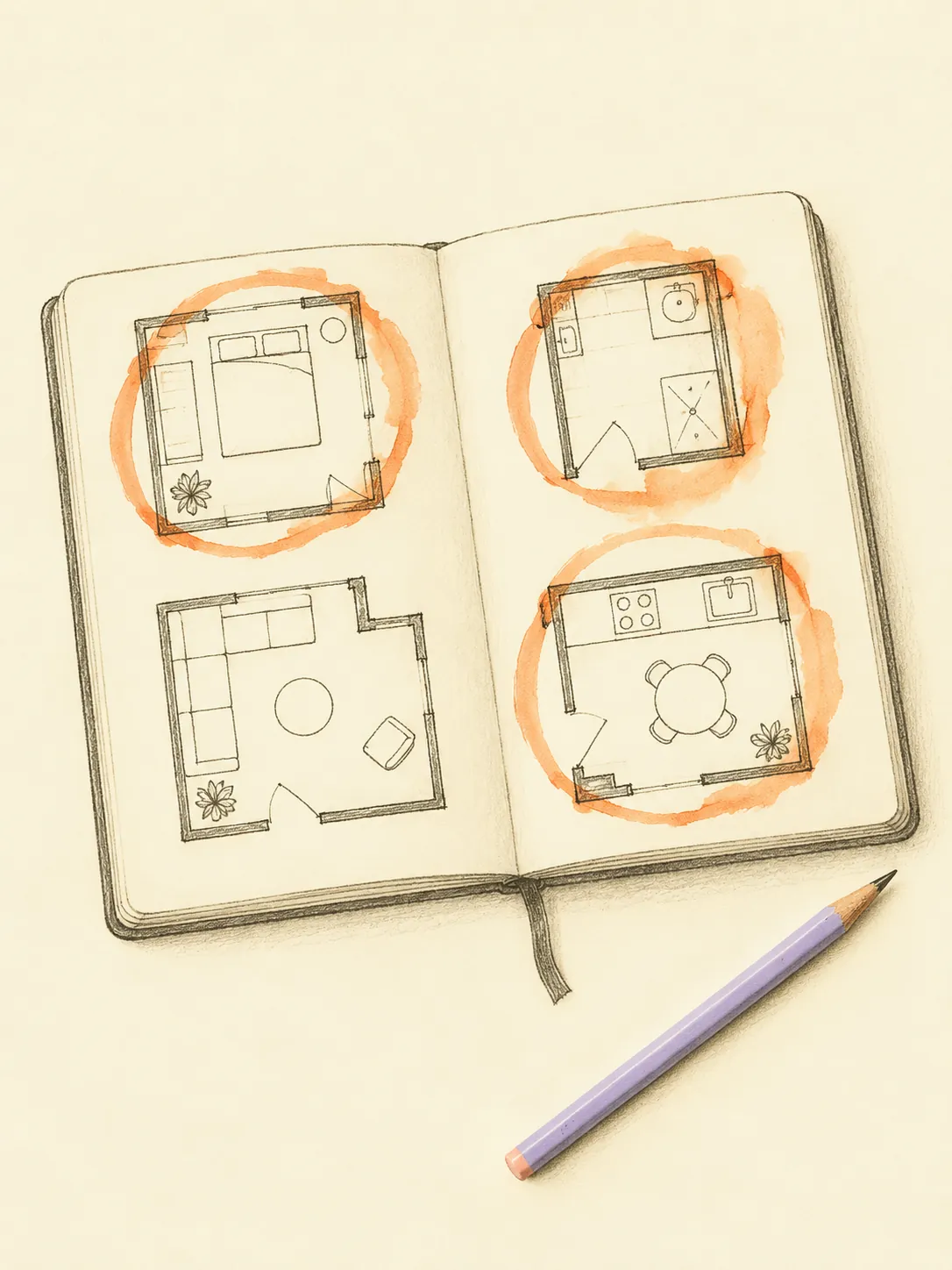
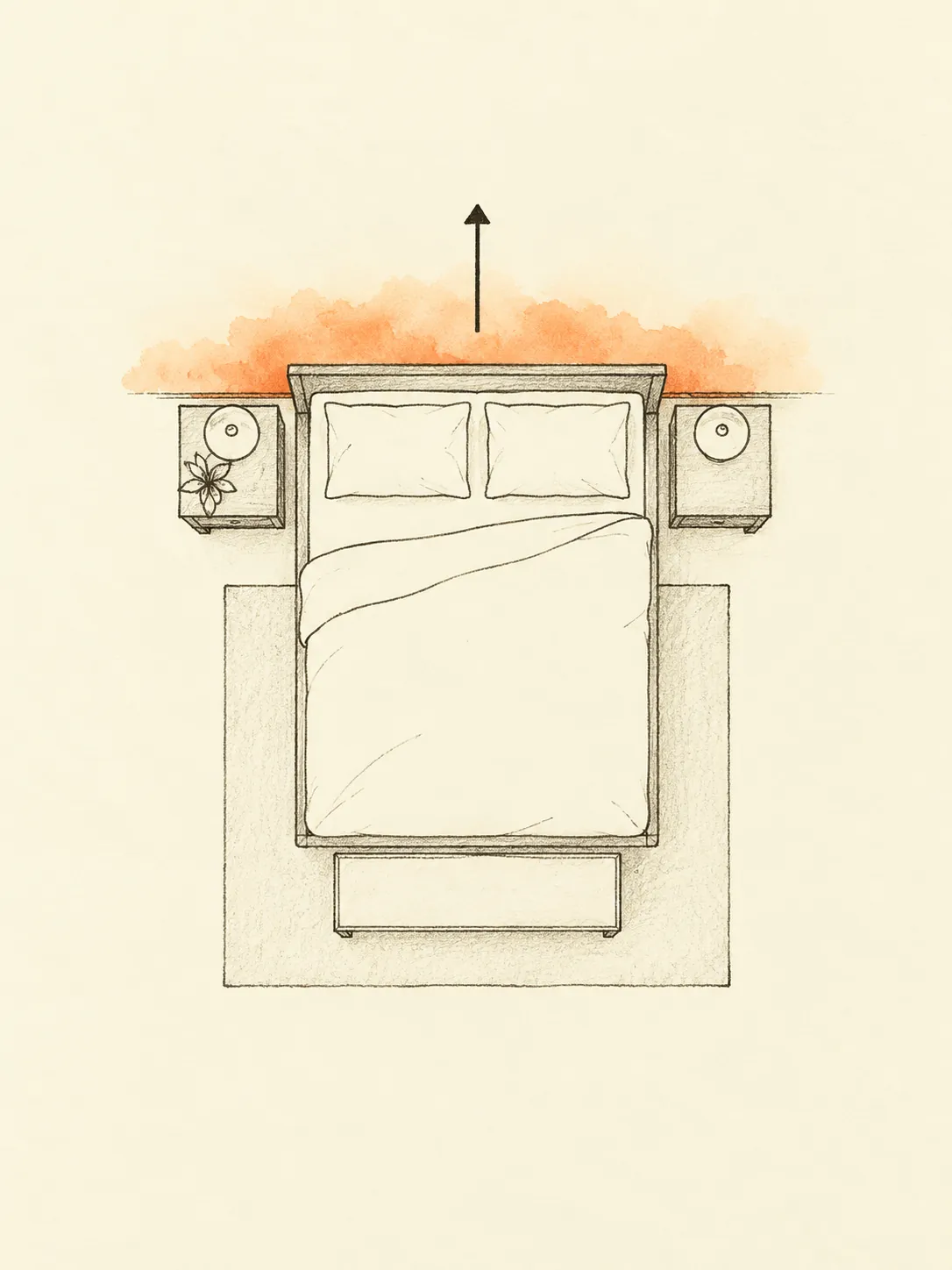
Common practice: Start with the outline of the home or premises you actually occupy. Mark the entrance and relevant room boundaries, then record how North was established. A magnetic reading is not automatically true north, and the top edge of a drawing is not proof of direction. Keep uncertain dimensions or bearings marked as uncertain. Use the same boundary and reference for every comparison; changing a drawing to obtain a preferred zone does not change the building. Measure furniture separately when the practical question concerns access or reorientation.
The verse places the kitchen in the south-east. This source states that function and direction; it does not prescribe modern appliances, furniture dimensions or predicted personal outcomes.
Source: Bṛhat Saṃhitā 53.118 (Iyer 1884, PD)
The verse places the apartment for the Devas in the north-east. This source states that function and direction; it does not prescribe modern appliances, furniture dimensions or predicted personal outcomes.
Source: Bṛhat Saṃhitā 53.118 (Iyer 1884, PD)
The nine-zone interpretation used here assigns open, unloaded space to the CENTER zone. This is a chapter-level application of the directional principle.
Source: Mayamata, Ch. 7 (Brahmasthān)
Ideal placement and its limits
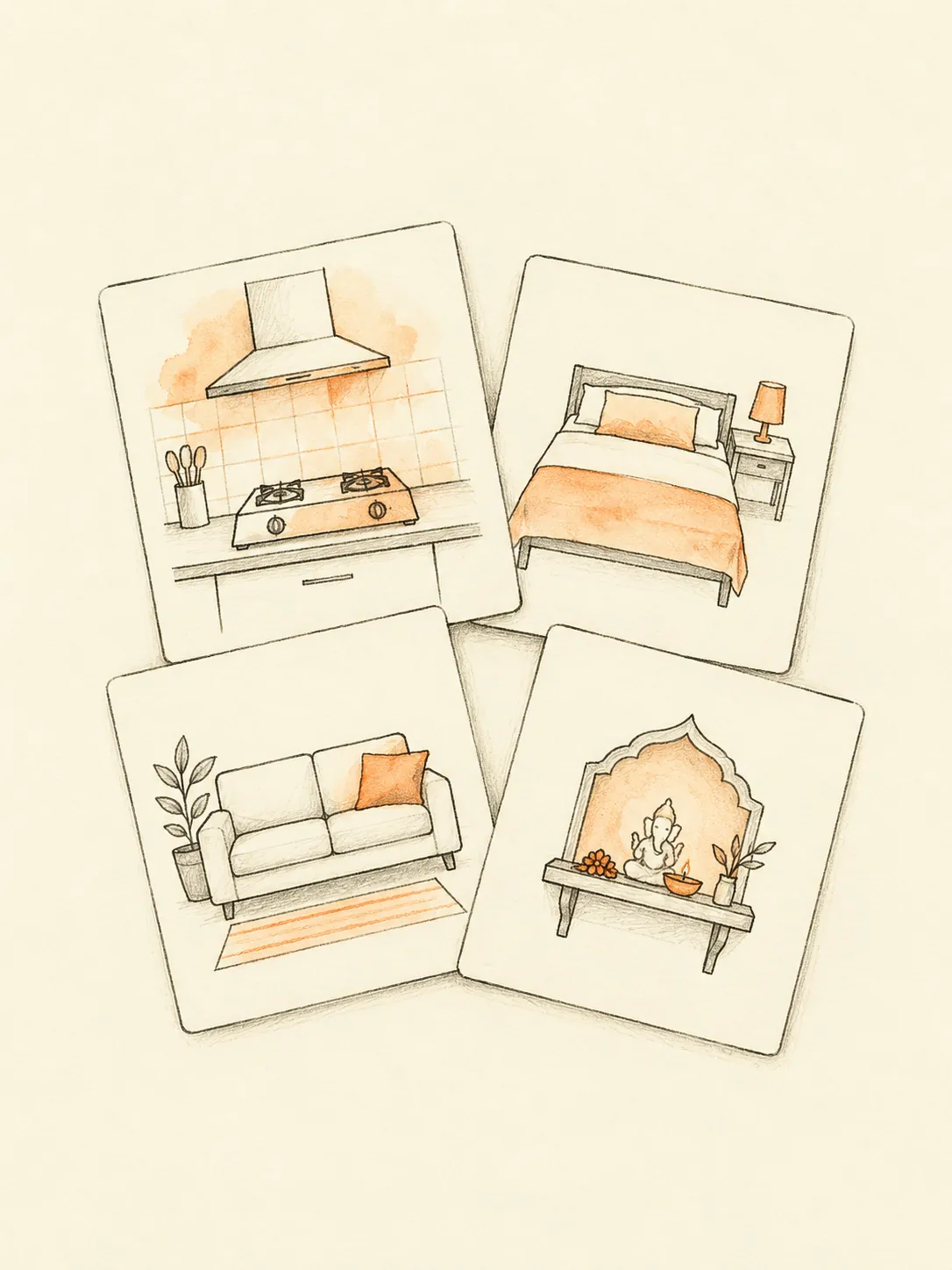
Common practice: An ideal colour choice for practical use depends on the room's light, surfaces and daily activities. This guide does not give paint colours a fabricated classical citation. The sourced rules below concern kitchen placement, prayer-room placement and the interpretation of an open centre. They help identify those questions independently of decoration. Common practice is to start with a small sample and view it in the actual room. A shade that appears balanced in a reference photograph can look very different under your window light or evening lamps.
Acceptable arrangements in an existing home
Common practice: An acceptable palette may use the colours already present in rented walls, flooring or furniture. Common practice is to work with those fixed finishes before purchasing replacements. In a darker room, compare how samples affect visibility; in a bright room, check glare and the appearance of large reflective surfaces. For a kitchen, maintainability matters when choosing finishes near preparation areas. For bedrooms, ask the occupants which combinations feel comfortable. These are practical preferences and should not be called a verse-backed direction-to-colour system when that system is absent from the source map.
Placements to avoid
Common practice: Practical cautions include coating an unsuitable surface, covering ventilation openings and choosing a finish that cannot be maintained in a wet area. Check the product's application instructions and the actual substrate. A sample image does not show moisture condition, existing coating or installation requirements. Do not undertake repairs around damp surfaces by disguising them with a decorative finish instead of examining the cause.
Apply the guidance