Vastu for Study Room


Guide details


Placement guidance
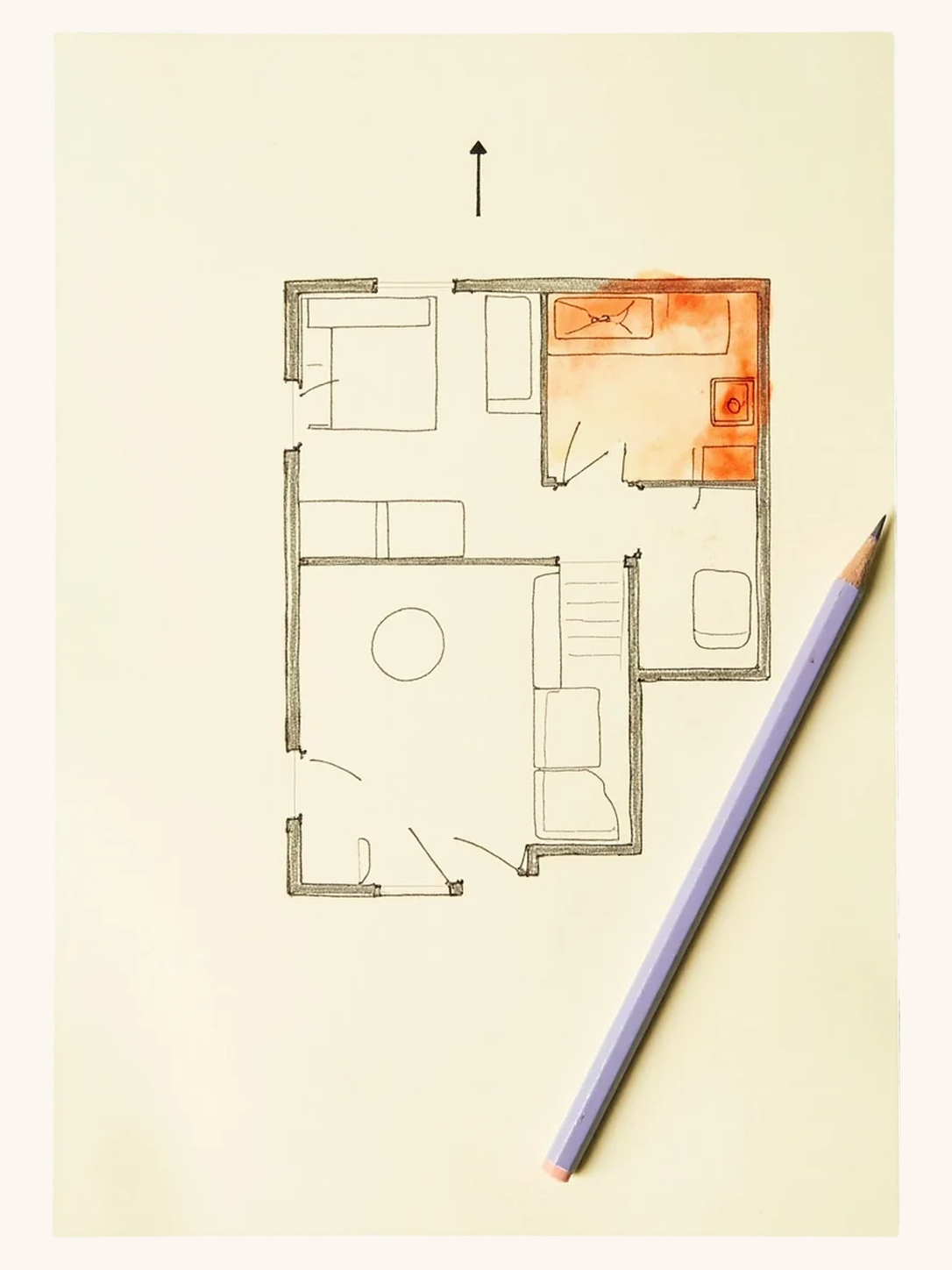
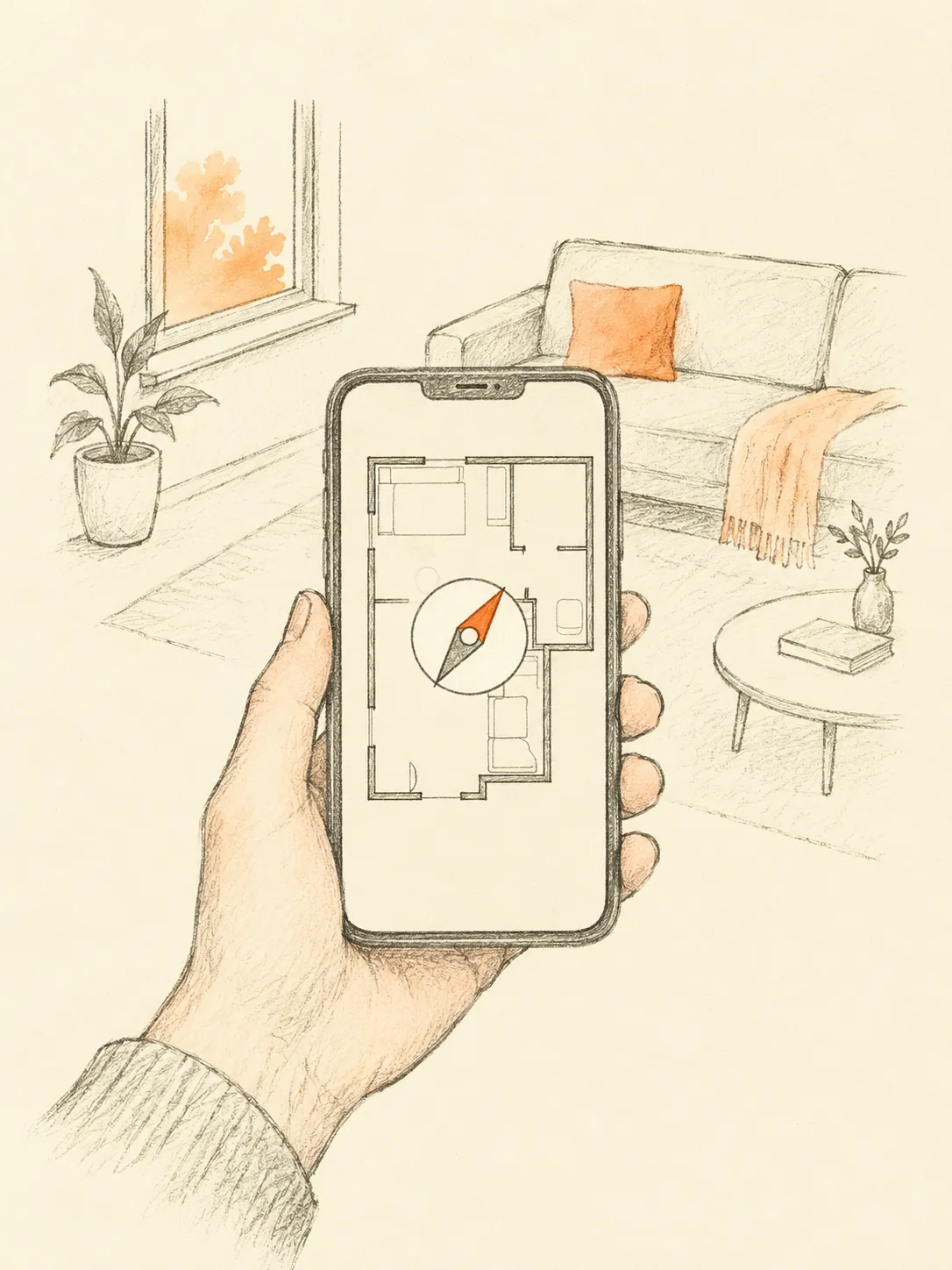
Common practice: Start with the outline of the home or premises you actually occupy. Mark the entrance and relevant room boundaries, then record how North was established. A magnetic reading is not automatically true north, and the top edge of a drawing is not proof of direction. Keep uncertain dimensions or bearings marked as uncertain. Use the same boundary and reference for every comparison; changing a drawing to obtain a preferred zone does not change the building. Measure furniture separately when the practical question concerns access or reorientation.
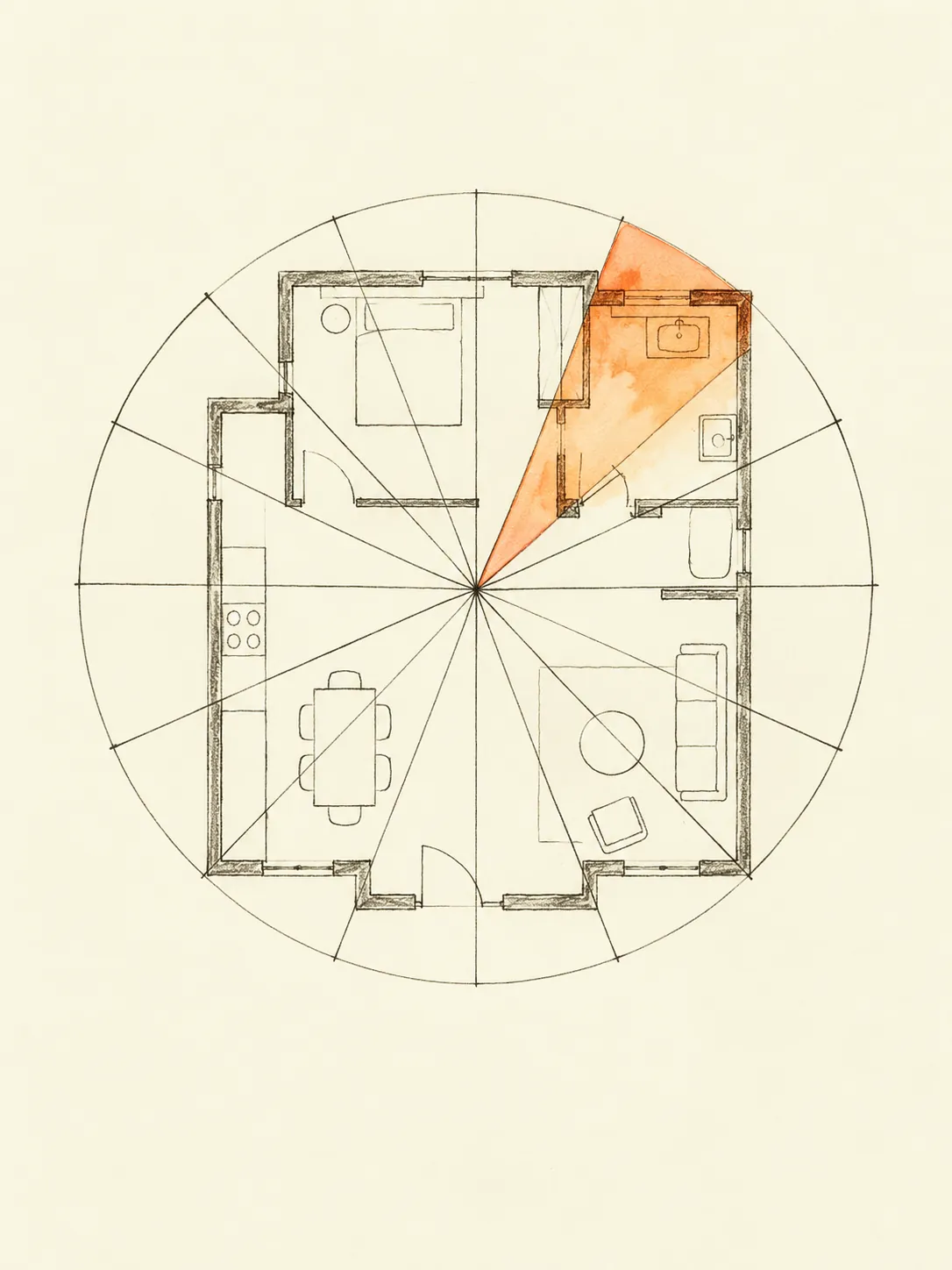
The nine-zone interpretation used here assigns entrance, living, storage to the N zone. This is a chapter-level application of the directional principle.
Source: Mayamata, Ch. 6 (Kubera, North)
The nine-zone interpretation used here assigns pooja, study to the NE zone. This is a chapter-level application of the directional principle.
Source: Manasara, Ch. 7 (Ishana corner)
Heavy storage weighs down the light NE corner.
Source: Modern Vāstu — keep the NE light (after Manasara, Ch. 7)
Ideal placement and its limits
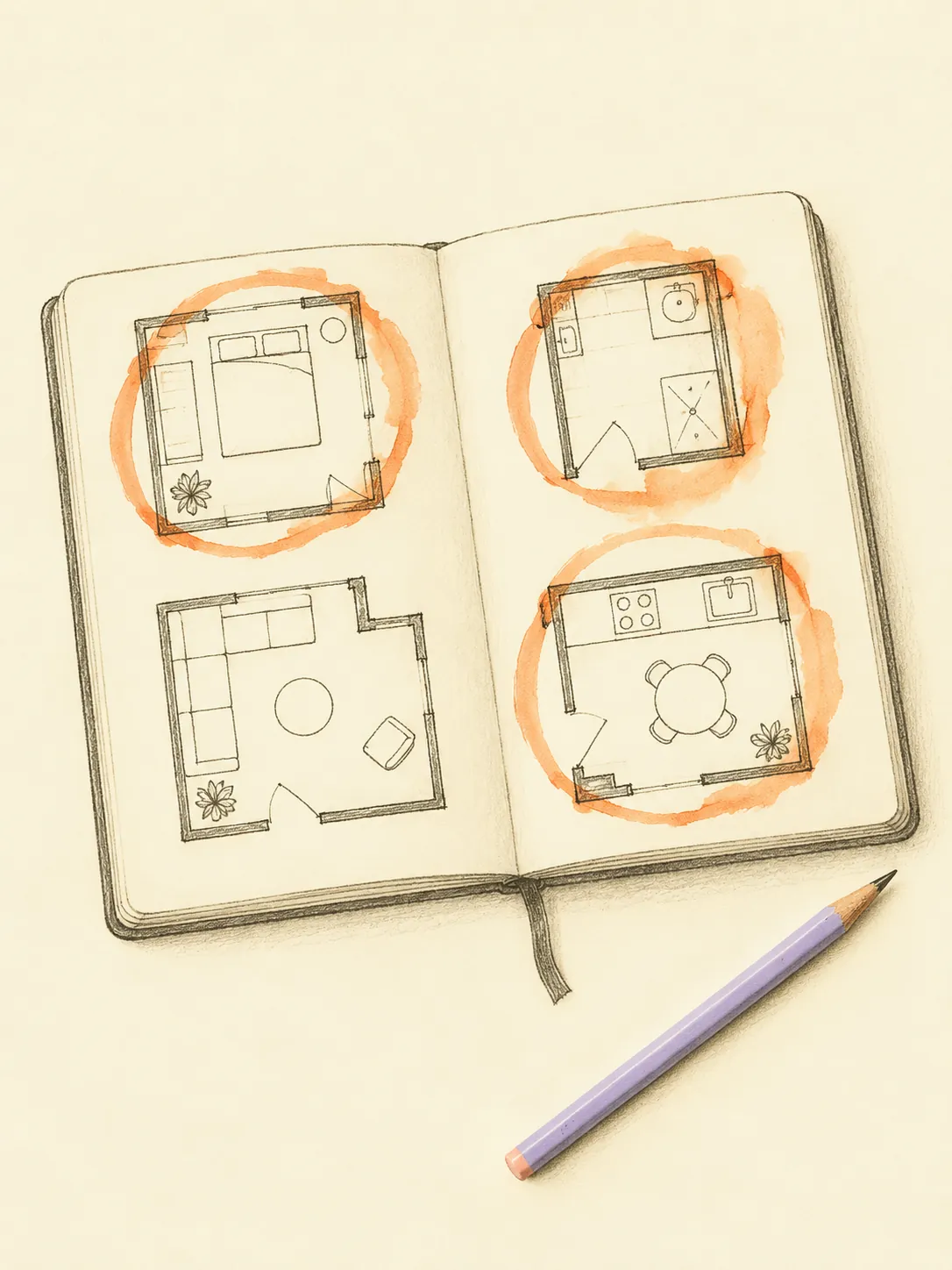
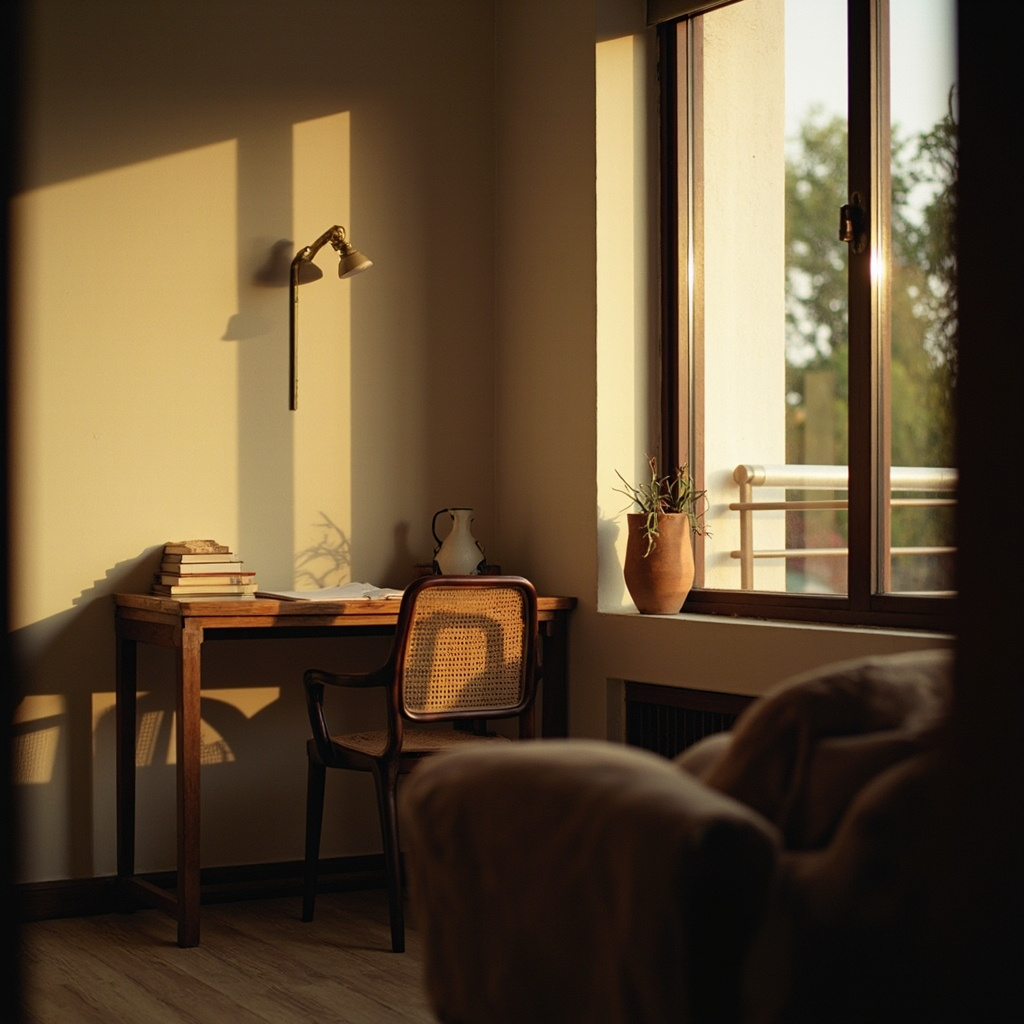
Common practice: The study placements below come from the guide's nine-zone, chapter-level interpretation. They concern the room's use within the home; they do not specify the direction of every student's face or promise examination results. Identify whether the study is a separate room, a bedroom desk or a corner of the living room. Mark that use accurately on the plan. Then choose a working position where the learner can reach books, see the page and move the chair without blocking another person's route through the space.
Acceptable arrangements in an existing home
Common practice: East or another quiet room can be an acceptable practical alternative when the preferred zone contains fixed facilities. Common practice is to compare glare, background activity and the hours when the desk is used. A window behind the screen may create reflections; a window in front may need adjustable shading. The best workable arrangement may change between daytime reading and evening computer use. Leave room for a task lamp and safe cabling. A desk used by more than one person should allow adjustment rather than imposing a single fixed posture.
Placements to avoid
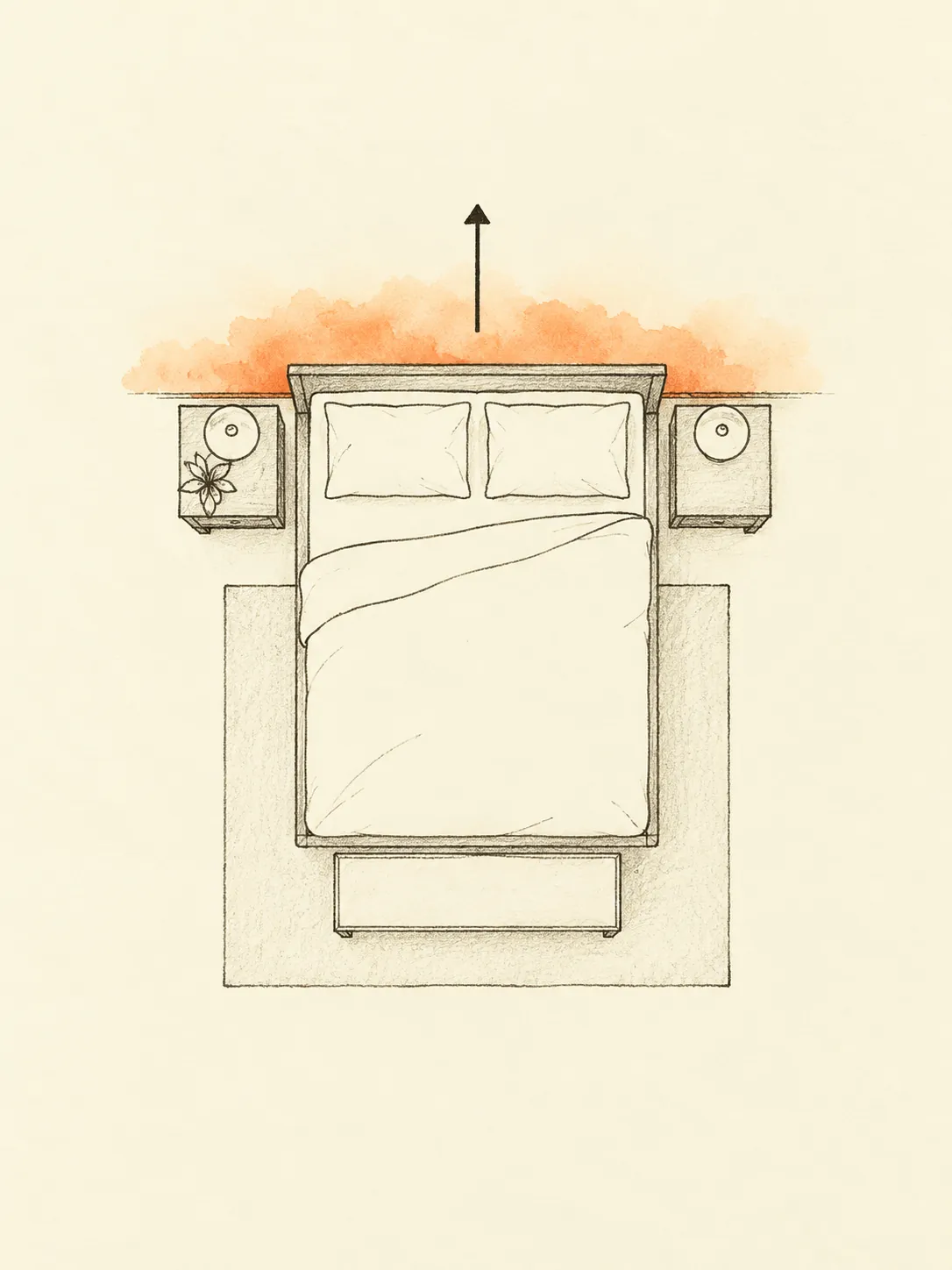
Common practice: The cited light-corner interpretation cautions against heavy North-East storage. It should not be turned into a rule against every book or lightweight shelf. Practical study arrangements to avoid include a chair squeezed between the desk and bed, trailing charging leads, and shelves that require climbing on furniture. Keep a clear exit from the room. Do not relocate a desk so close to a window that normal ventilation becomes impossible. If storage must be anchored, check the wall and fixing method rather than relying on a compass preference.
Apply the guidance